These unconventional cats have caused a stir in society. Even breeds not officially recognized are consistently popular with cat lovers.
Pixie bob
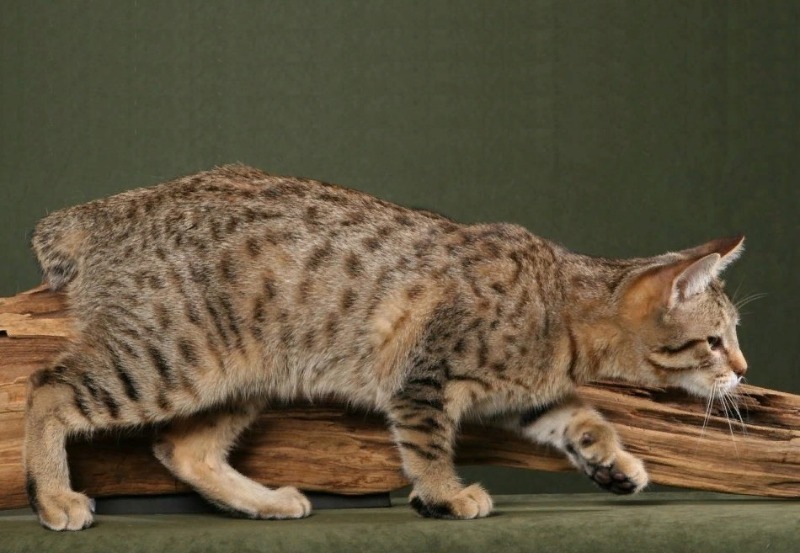
To develop a cat breed resembling a lynx, breeders used short-tailed wildcats. These animals inhabit the forests of North America. The first cat produced this way was named Pixie, which means "Elf" or "Fairy" in English.
Pixies are distinguished by their short tails and may have tufts on their ears and sideburns. Pixies are easygoing, trainable, and easy to interact with.
California Spangled Cat
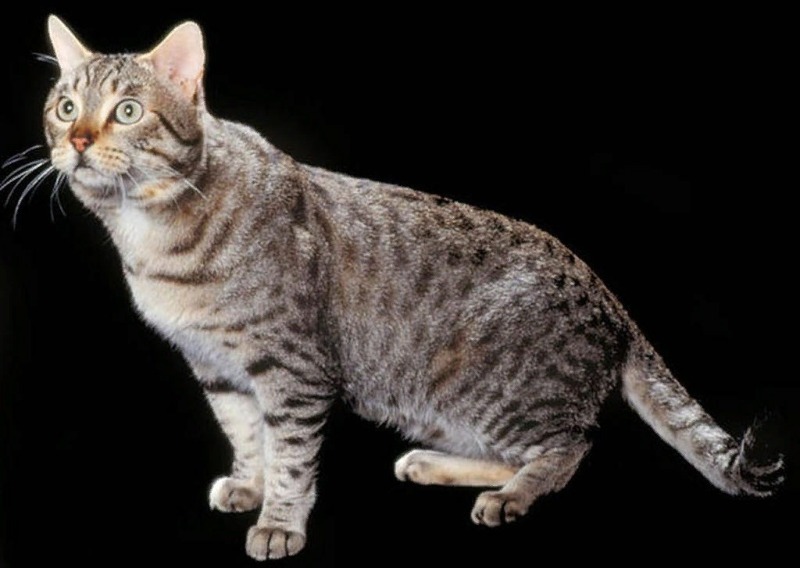
Renowned screenwriter Paul Casey was involved in the creation of this breed. During his trip to Africa, he conceived the idea of preserving the unique coloring of wild cats on the fur of domesticated animals.
Many breeds contributed to the creation of the new species: Manx, British, Siamese, Angora, and Abyssinian. Ultimately, the California Spangled Cat emerged, named for its unusual coloring.
The breed immediately found a multitude of admirers. They say the Californian cat is a link between humans and wildlife. They also promote the new breed widely.
Bengal cat
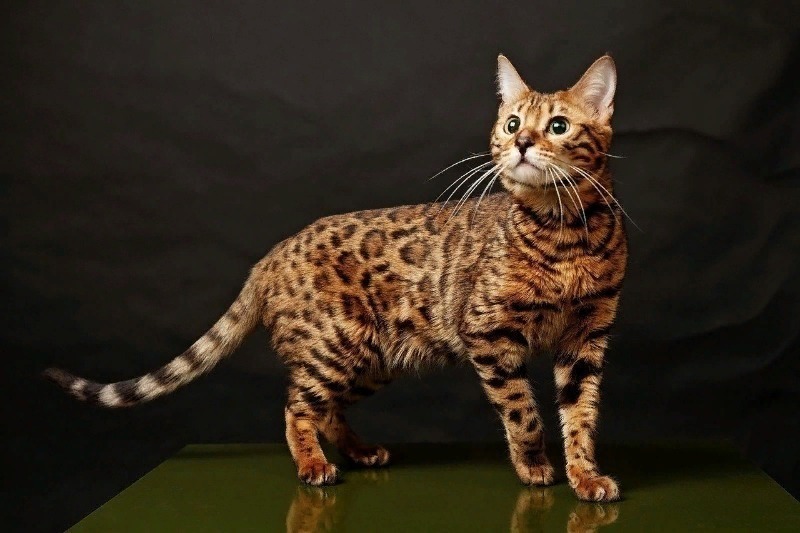
The idea of crossing the wild Bengal cat with its domestic relatives came to American Jean Mill back in 1961. The young woman was then in Southeast Asia, conducting scientific research.
Jean bought a small kitten at a local market and brought it to the United States. The kitten grew up, but remained feral and completely uncooperative.
However, the touch-me-not soon softened—a domestic black cat caught her eye. The couple gave birth to a Bengal kitten. This was the first result of interspecies crossbreeding.
Savannah
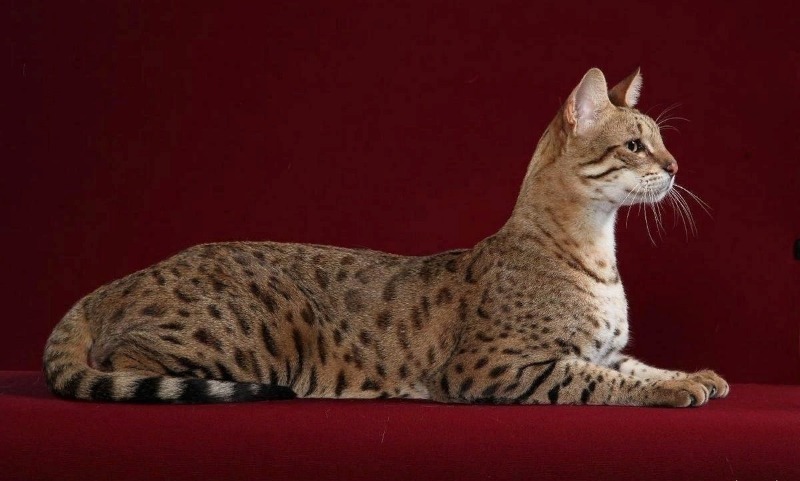
The large and powerful Savannah is the most expensive cat in the world. In the 1980s, a domestic cat was crossed with a serval, creating a very beautiful and distinctive animal.
The Savannah cat has an elongated neck and slender legs. Its coloring can vary from chocolate to gold and silver.
This animal is considered the intellectual of the feline family. Its extraordinary intelligence is evident in its eyes—they are large and unusually expressive.
Toyger
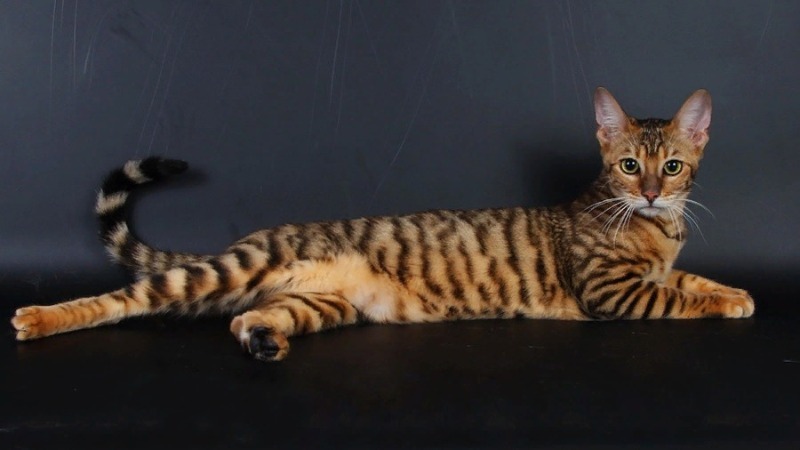
The breed's creator, Judy Sugden, is the daughter of renowned explorer Jean Mill, who gave the world the Bengal cat. Toygers resemble toy tigers. Their vibrant stripes and distinctive markings on their heads make them resemble their wild cousins. They not only captivated cat lovers but also immediately became sought-after exhibitors.
Toygers have fairly strict requirements: they must have plush fur and horizontal stripes on their bodies. Their ears are typically round, and their eyes are small.
Pantherette
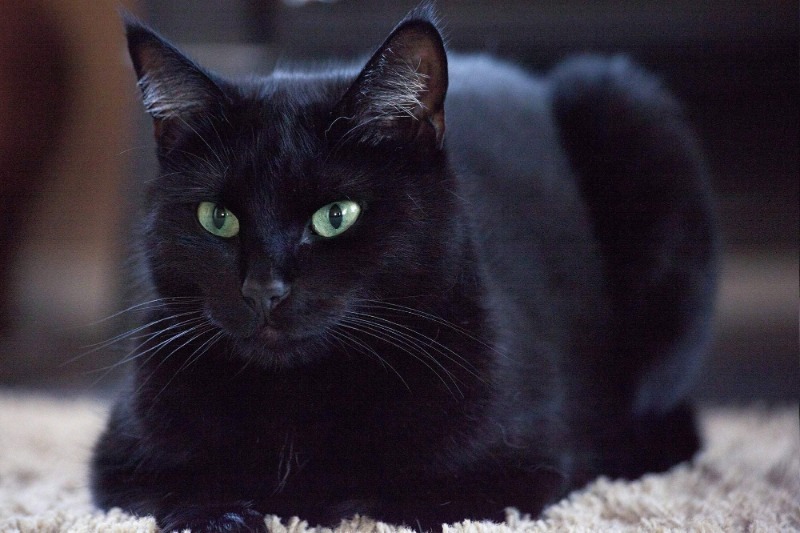
This black beauty was born almost by accident. A black cub was born in a litter of Bengal cats. The little one grew and increasingly resembled a panther.
Breeders noticed the striking resemblance, and selective breeding led to the creation of a new breed. The Pantherette is not available for purchase: the research is still ongoing. These cats are very friendly, distinguished by robust health and indescribable elegance.
Safari
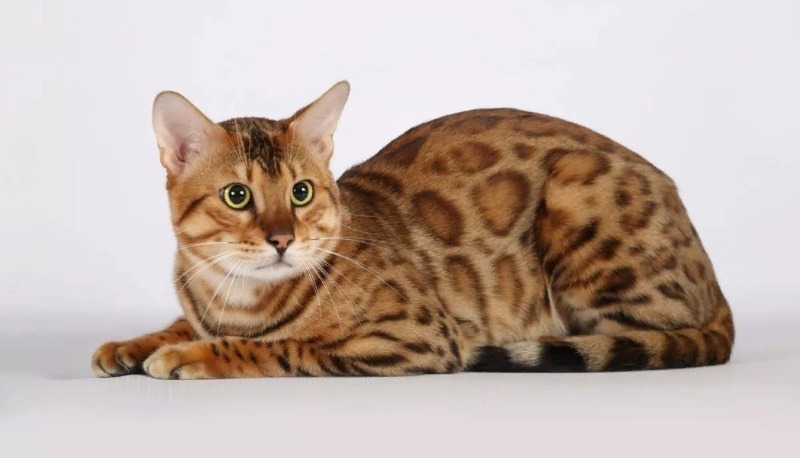
One of the largest cat breeds in the world, the Safari Cat is over a meter long and has a thick, long, and flexible tail. Its thick, plush coat requires special grooming. The Safari Cat is a hybrid of a domestic cat and a wild cat.
The breeds used in the crossbreeding were Geoffroy's, Bengals, and Siamese cats. Distinguishing features include a leopard-like coat, well-developed muscles, prominent cheekbones, and noticeably upturned outer corners of the eyes.