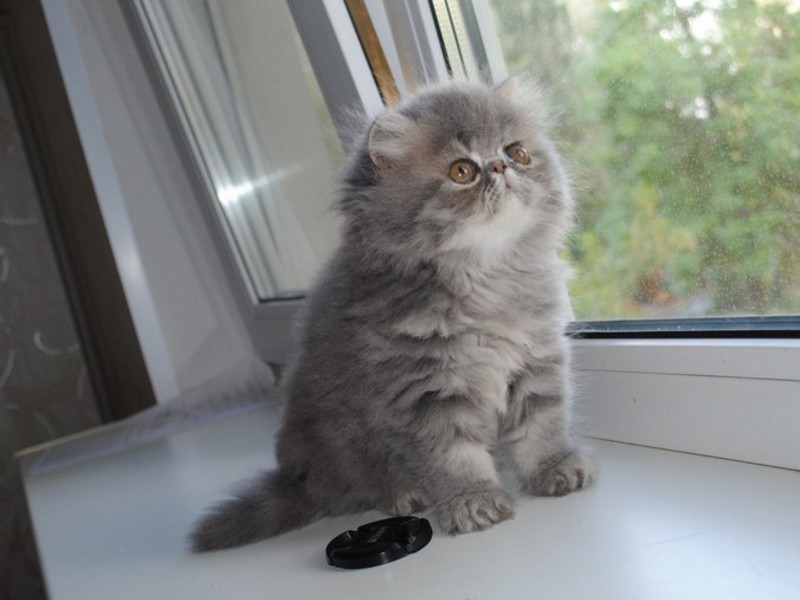
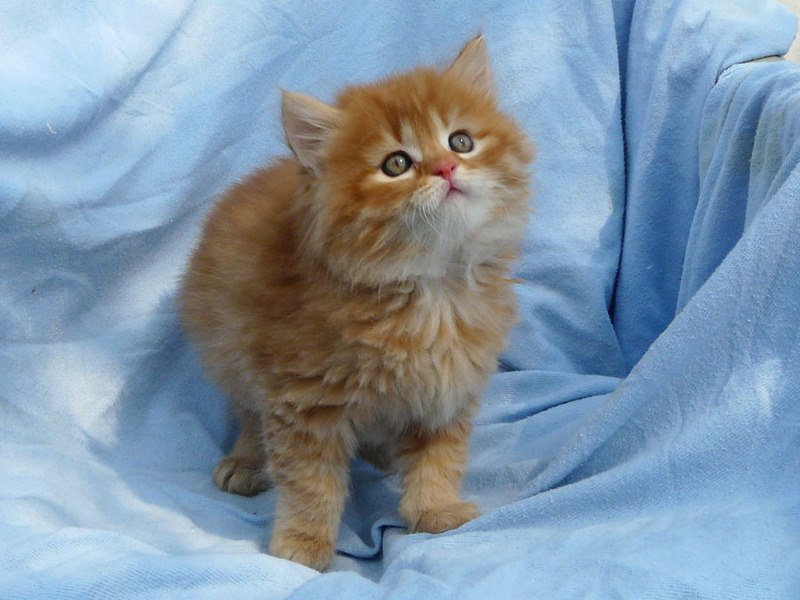
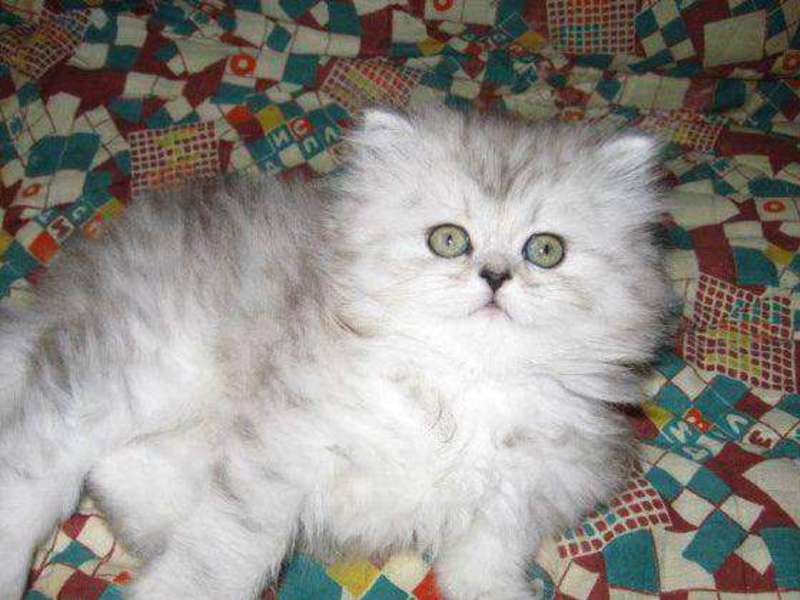
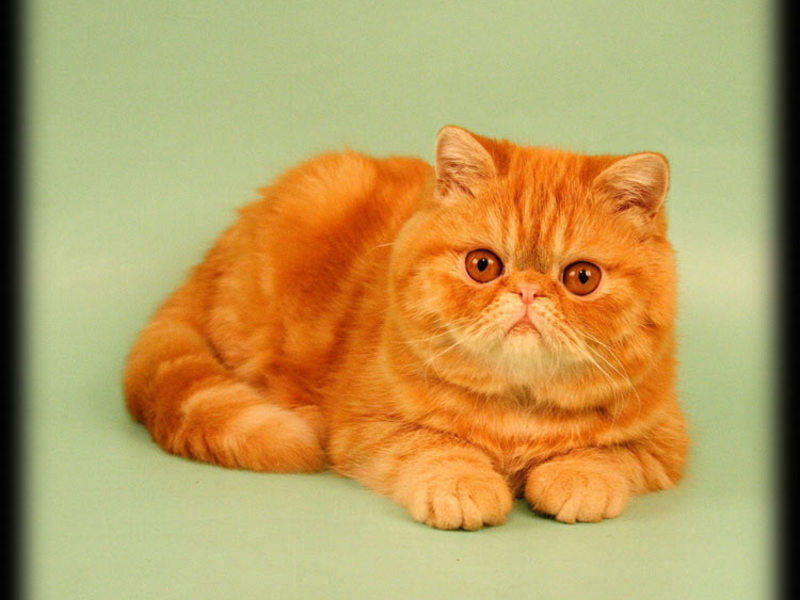
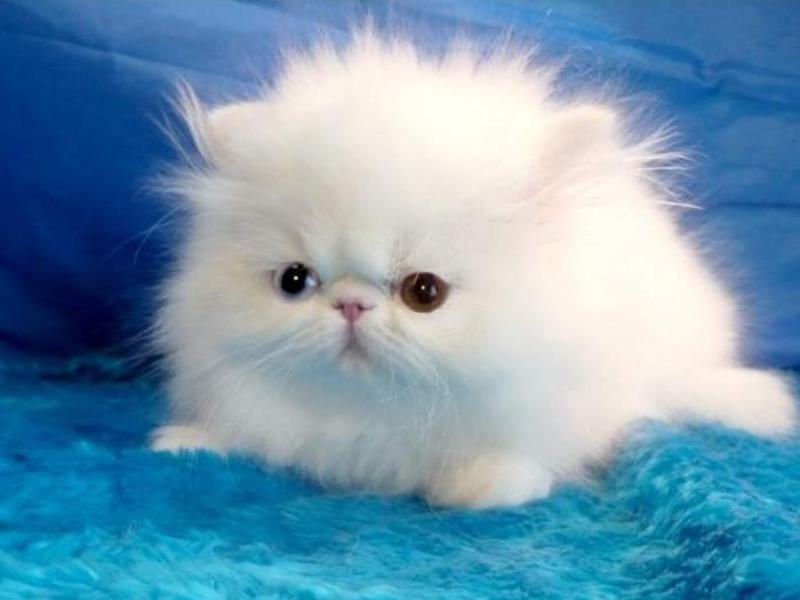
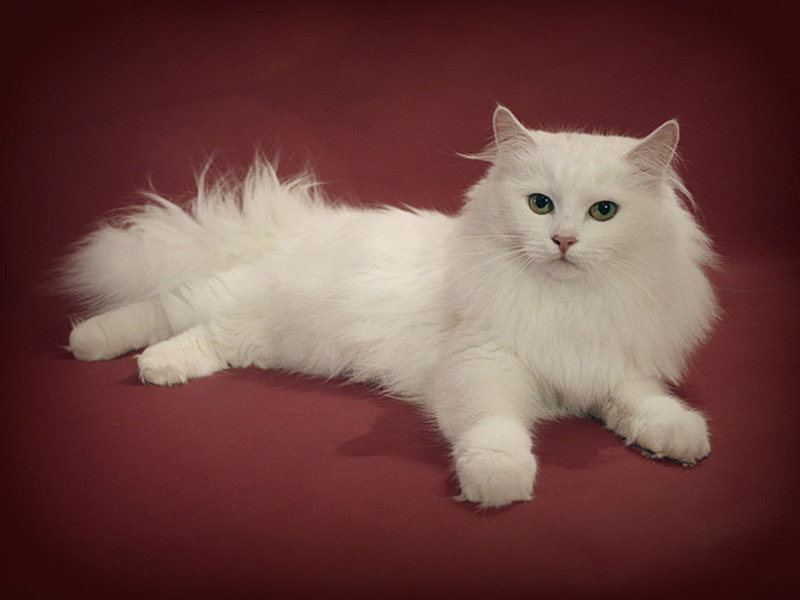
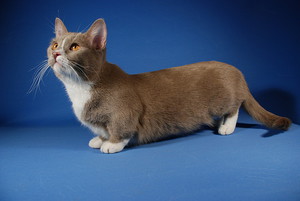
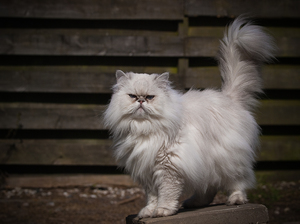
 Due to their personality, Persian cats are considered homebodies who enjoy interacting with their owners. They are extremely affectionate and completely trust their family members. At the same time, they are completely unobtrusive and don't bark without provocation, simply waiting for attention. Although they are often considered couch potatoes, these furry beauties love to play and catch insects that fly into the apartment.
Interesting facts from the history of the animal
The cat arrived in Europe back in the distant 16th century thanks to a famous traveler Pietro della Valle, who purchased the animal in the Persian province of Khorasan. The cat resembled its modern relatives only in its long coat. Considered exotic at the time, the breed was only available to wealthy merchants and other members of the nobility.
America contributed the lion's share of the work in breeding modern Persian cats. Thanks to the efforts of American breeders, the cat's fur grew longer and its nose became flattened, causing a real problem for the cat's respiratory system.
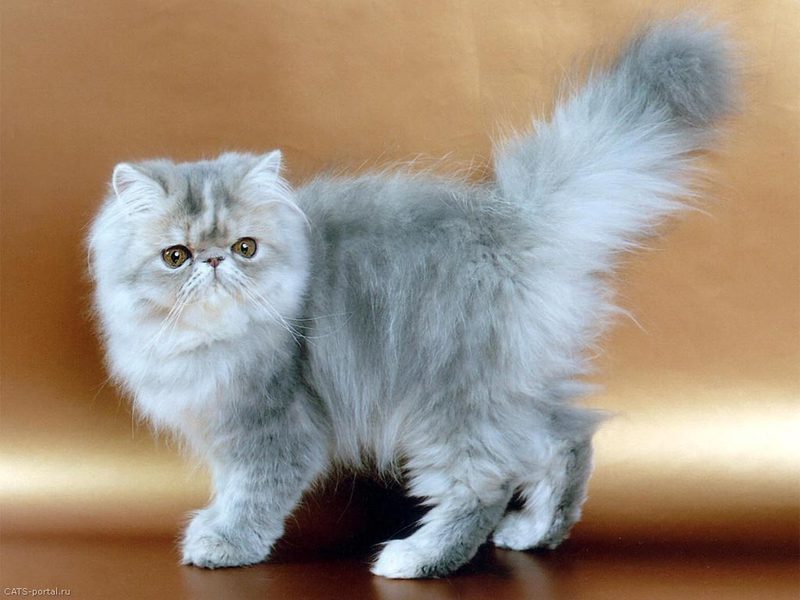
The breed became a trend thanks to Queen Victoria, who kept more than a dozen blue Persian cats. She even ordered a special castle built for her pets. Thus, the Persian cat, as pictured, became the most coveted pet among European aristocracy.
Characteristics of the Persian cat breed
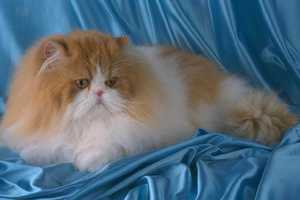 The Persian cat can be safely classified as to the most beautiful and popular breed All over the world. Most Persians are sweet, magical creatures who become true friends and family pets. This isn't due to their furry pet's outward appeal, but to their unique character traits, which make people fall in love with them at first sight.
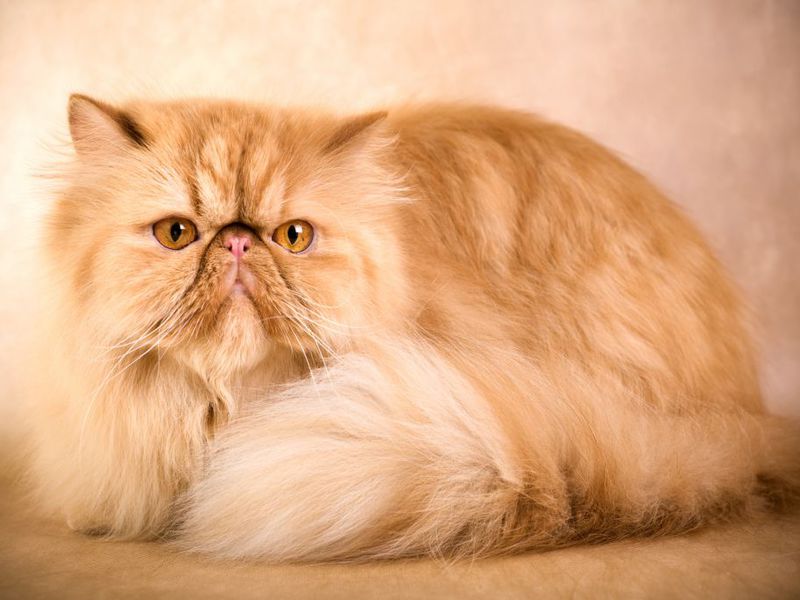
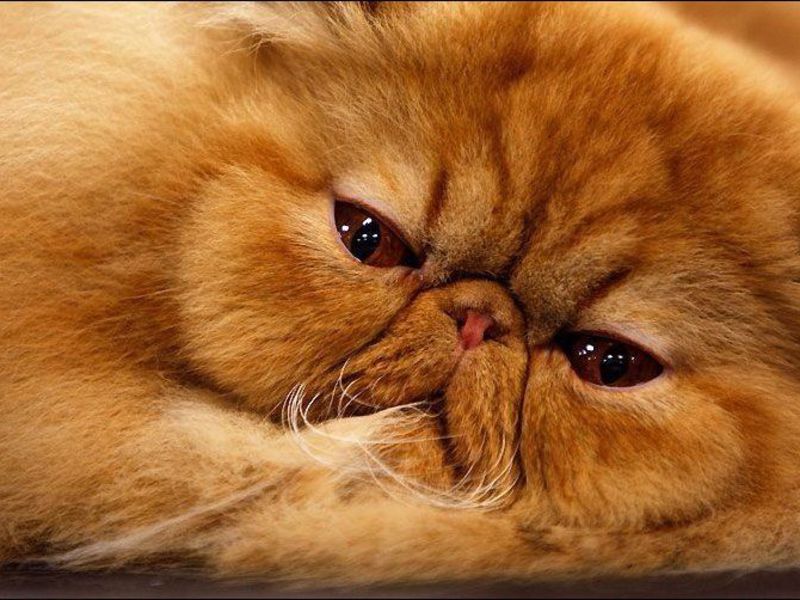
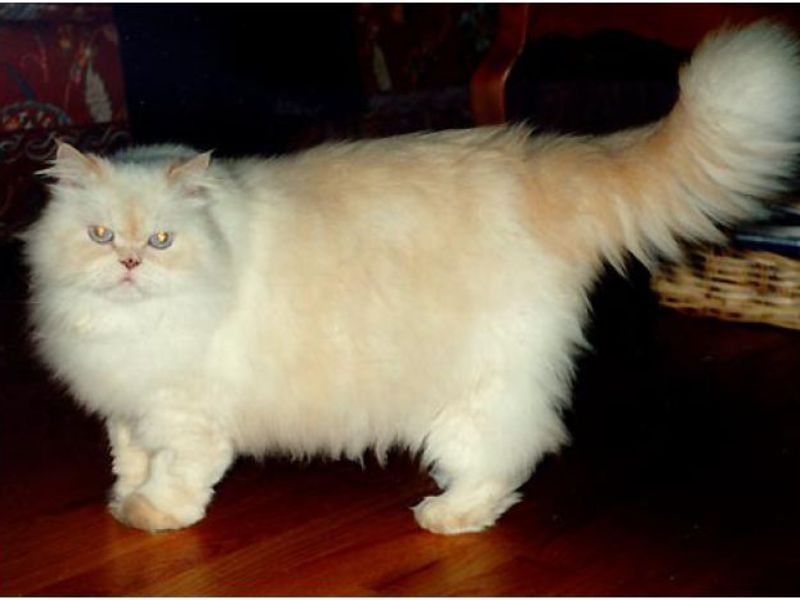
The Persian cat breed is characterized by a miniature, wide, and slightly upturned nose. The breed also has short but powerful legs. The Persian cat breed standard requires the animal to have the following distinctive features:
- round and massive head, proportionate to the body structure;
- short but wide neck;
- large or medium massive body;
- low, wide cheekbones and round, full cheeks;
- shortened snub nose;
- low-set miniature ears, rounded at the tips;
- round, always wide-open eyes;
- powerful shortened paws;
- thick, but short tail, slightly rounded at the end.
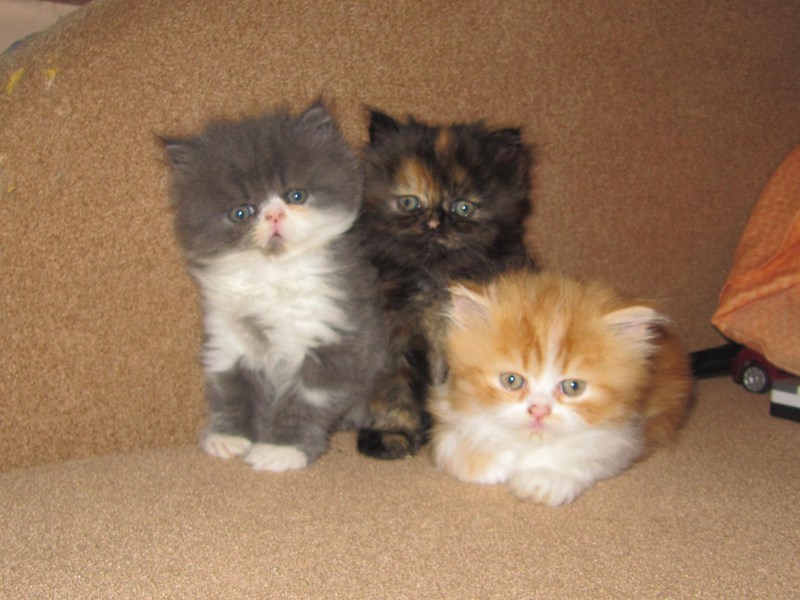
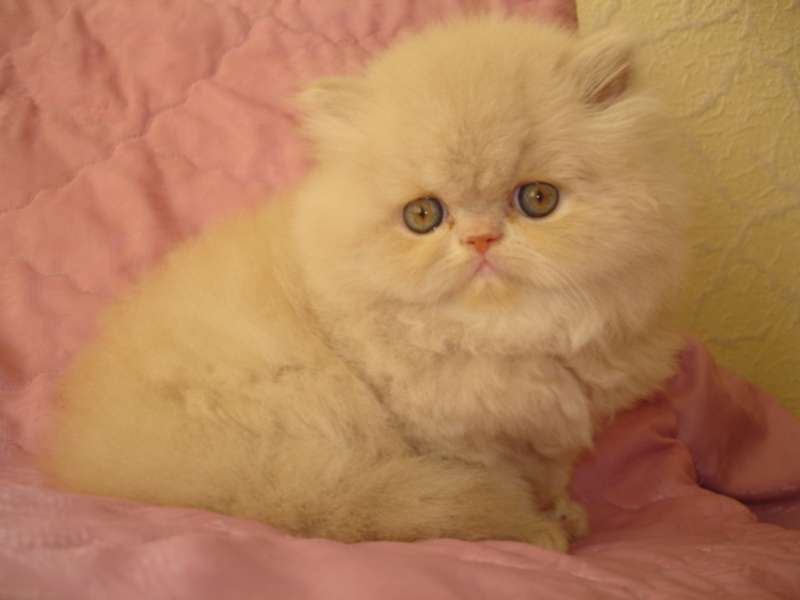
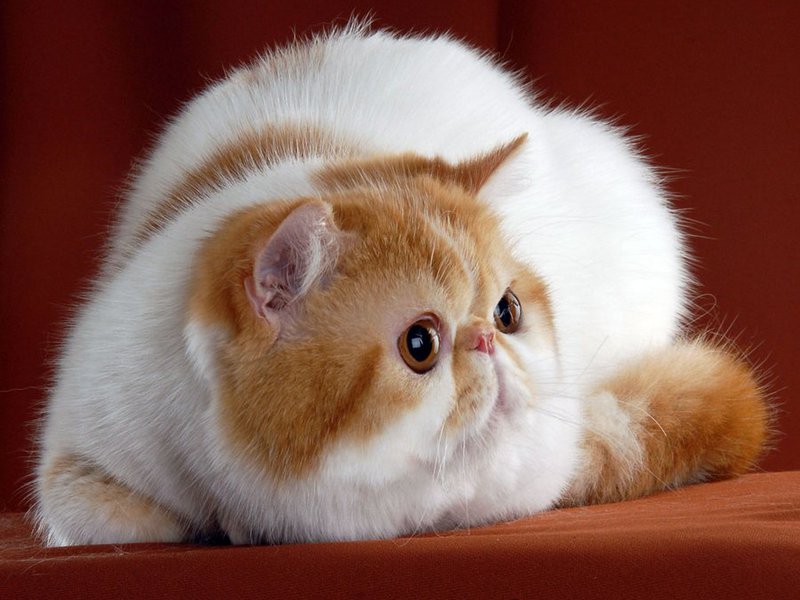
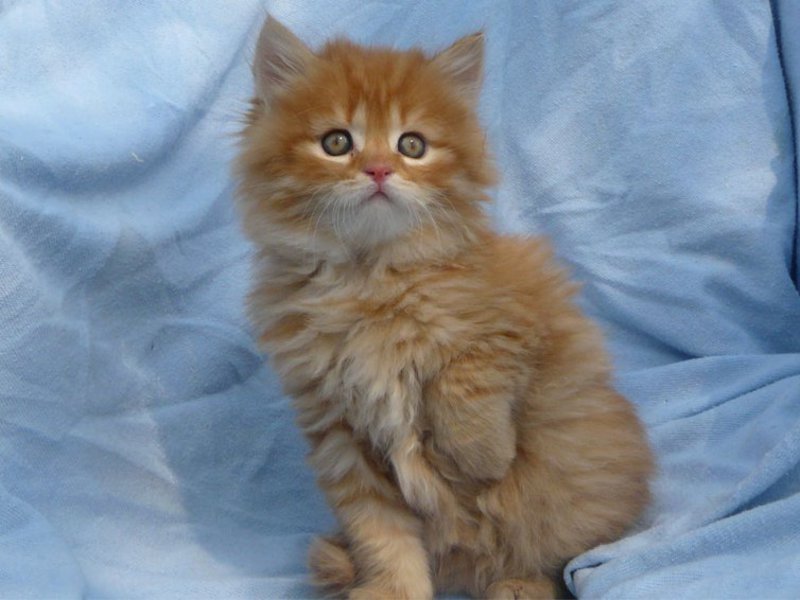
Due to the variety of colors of cats, breeders subdivide the breed more than a hundred subspeciesYou can find black, gray, white, blue, cream, ginger, red, and even lilac cats. A white cat can also have dark orange, copper, green, or blue eyes. But in most cases, a specific eye color corresponds to the coat color. If the animal has a solid coat, there should be no stripes or spots. Overall, Persian cat standards cover a vast array of coat colors, which directly impact the kitten's price.
Character traits inherent to the breed
Persian cat owners report that having a Persian cat at home is a joy. This playful feline is incredibly loving to its owner. Furthermore, the breed has the following character traits:
 Persians have gentle character traits and a very pleasant voice, which the cat almost never uses;
- The Persian constantly demands love and attention from its owners, repaying them in kind;
- the breed is gentle and spoiled, although undemanding compared to other representatives of cats;
- The cat remains devoted to its owner until the end of its life, not forgetting to show its status.
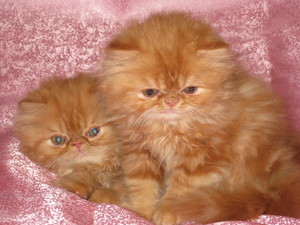 Persians have gentle character traits and a very pleasant voice, which the cat almost never uses;
Although these animals will always shower their owners with attention, they will often sit or doze on their laps, and sometimes even perch on their owners' shoulders, purring softly in their ears. Persian cats don't tolerate being alone and can therefore constantly get underfoot.
When compared to other pet breeds, Persians are the most domesticatedThese furry beauties won't survive outside a house or apartment. Living in a large family, they always choose a leader to whom they remain loyal for life, showering them with love and affection.
Peculiarities of pet care
The Persian cat is one of the most demanding breeds when it comes to grooming. Due to their very long and thick fur, it's essential to groom them thoroughly every day. Otherwise, the fur will mat and form tangles. Anyone considering owning a Persian cat should have metal combs with teeth of varying lengths, as well as brushes with varying degrees of bristle stiffness. A whole arsenal of grooming products will also be needed: shampoos, conditioners, and, of course, talc.
In addition, the cat suffers from regular discharge from the eyes and breathing problems, so it is important clean your eyes from time to timeIf you decide to bring a fluffy Persian cat into your home, it's important to be prepared to constantly groom its fur, bathe it, and clean its eyes and ears. Only by giving care and love can you receive affection and devotion in return.
How to choose kittens correctly?
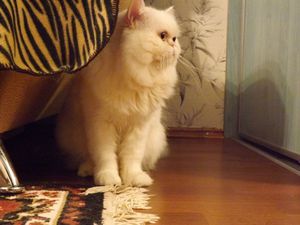 When choosing a Persian kitten, it's important to pay attention to how playful and active it is. A healthy animal doesn't sit still for long, and its fur is shiny. The kitten's belly should be soft to the touch, and its mouth shouldn't emit any unpleasant odors. When purchasing an animal, it's important to request all relevant documentation from the breeder and inspect the conditions in which the Persian kitten was raised.
It makes sense to buy an animal at two months of ageWhen the kitten can feed itself and its body is fully developed. If you decide to get a pet for breeding purposes, it's best to buy it from a cattery at 4 months of age, when any defects in the kittens can be easily identified. Photos of Persian cats can also help you decide whether to choose a red or white fluffy pet.
The days when Persian cats were only available to wealthy sultans and other nobles are long gone. If you're captivated by this sweet and beautiful animal, don't hesitate to visit a cattery to acquire a loyal and devoted companion for the whole family.