Everyone's probably heard of the Pajero SUV. It turns out it was named after a small wild cat—Leopardus pajeros, also known as the Pampas cat, or grass cat. However, biologists still disagree: some sources say it's a subspecies of the Pampas cat (Leopardus colocolo), while others say it's a separate species. Very little is known about this animal—it leads a very secretive lifestyle, completely unwilling to interact with humans.
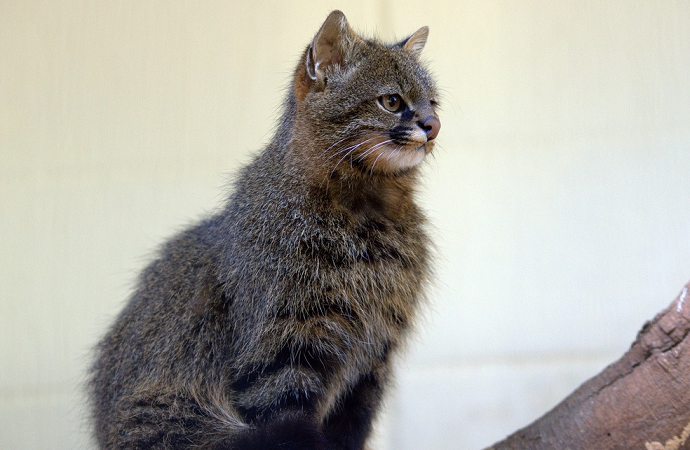
The Pampas cat, or grass cat, is a small animal, no larger than a domestic cat. It lives in South America, primarily in the pampas—thickly grassy, treeless steppes.

That is why the second name of this cat is grass cat.
But you can also find it in humid mangrove forests, among thorny bushes, and in mountainous areas at altitudes of up to 5000 m.
In total, there are 7 subspecies of this cat, differing in color and behavioral characteristics.
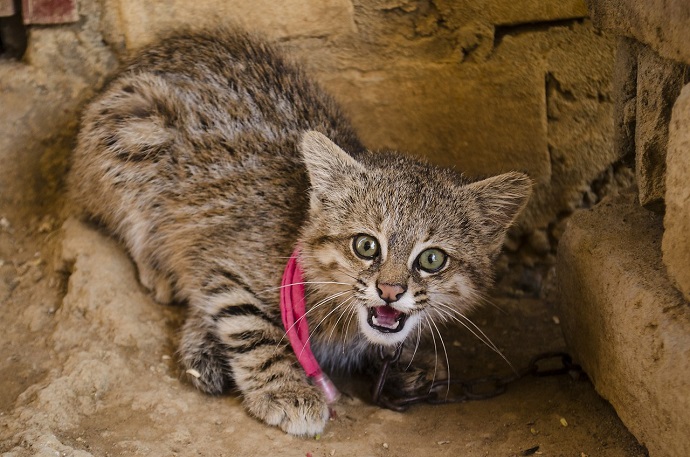
This is not a very large animal. It weighs up to 7 kg and stands 35 cm tall. Its body length can reach 80 cm, and its tail is quite short—about 30 cm.
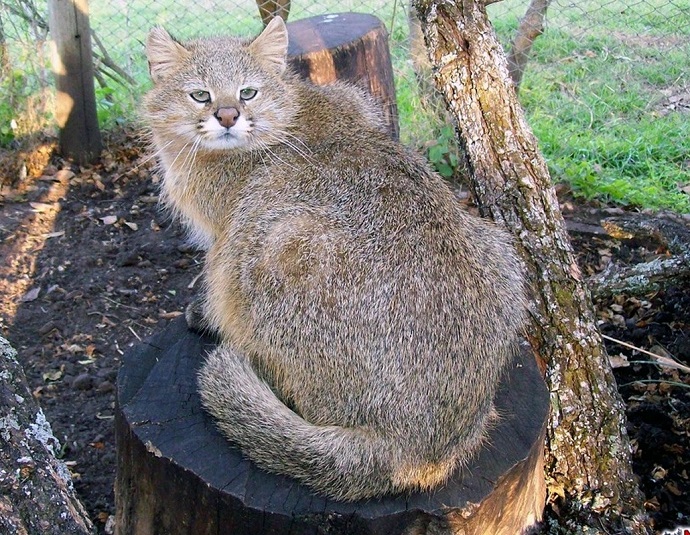
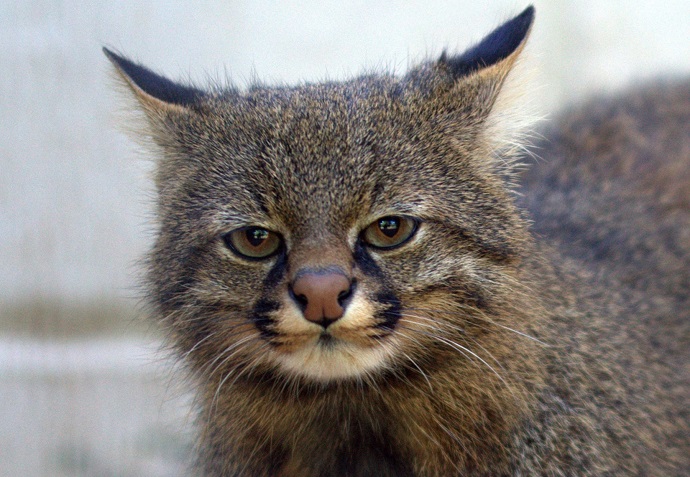
The color ranges from black, brown, and red to silver. The coat is thick and dense, up to 7 cm long. The pattern, depending on the species, can be pronounced or virtually invisible.
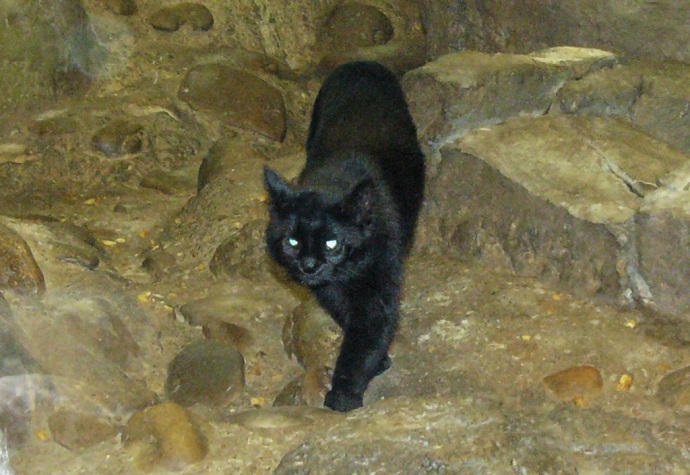
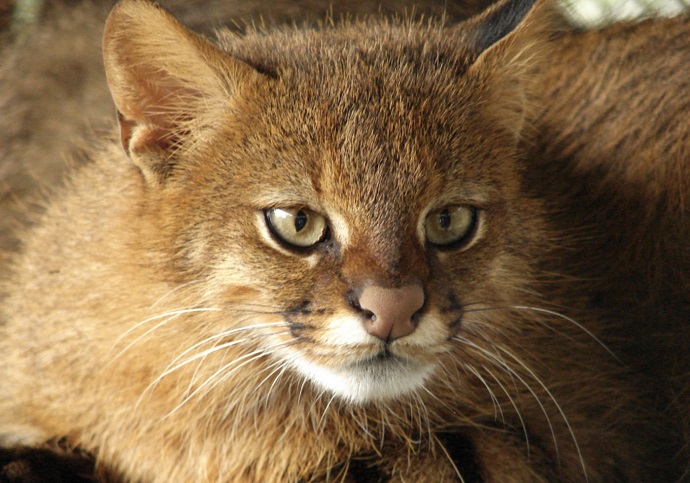
The eyes are very large, with oval pupils, adapted to see well in the dark.
These cats are primarily nocturnal, but can hunt during the day if necessary. They live and forage solitarily, controlling a territory of up to 50 square kilometers.
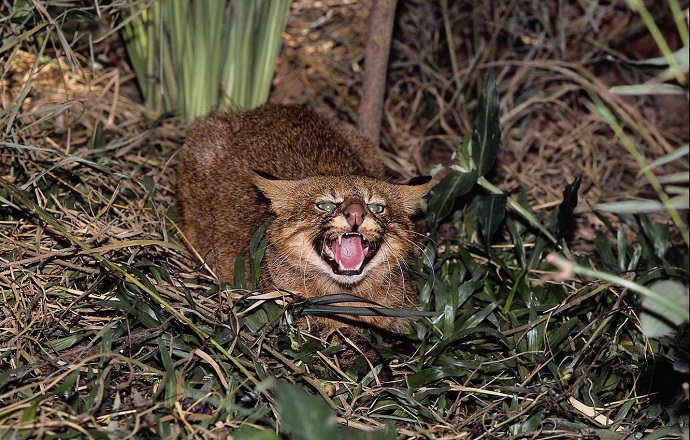
They pair up only during mating season, after which the female raises the offspring alone. A litter typically consists of one to three kittens.
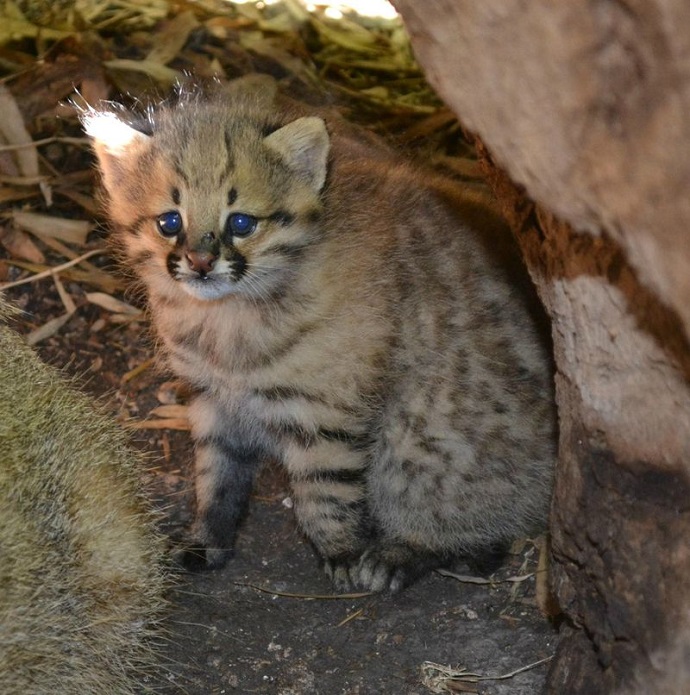
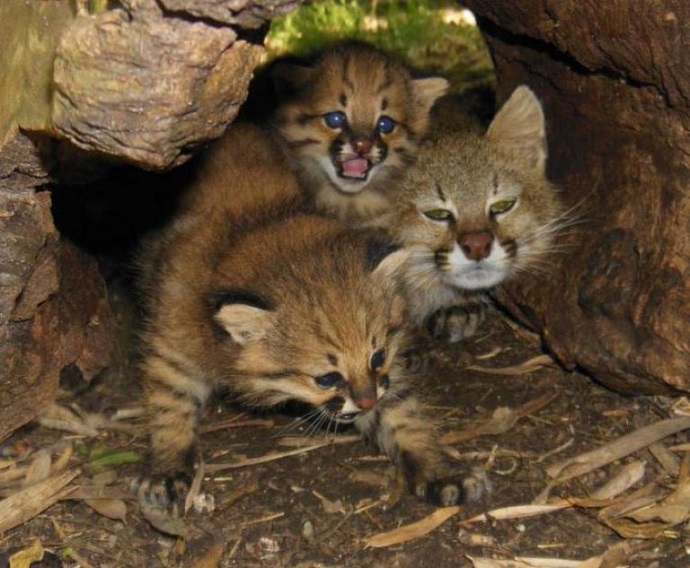
Despite their short legs, large heads, and apparent clumsiness, Pampas cats are excellent hunters. They lie in wait for long periods, stalking their prey, and then strike with lightning speed.
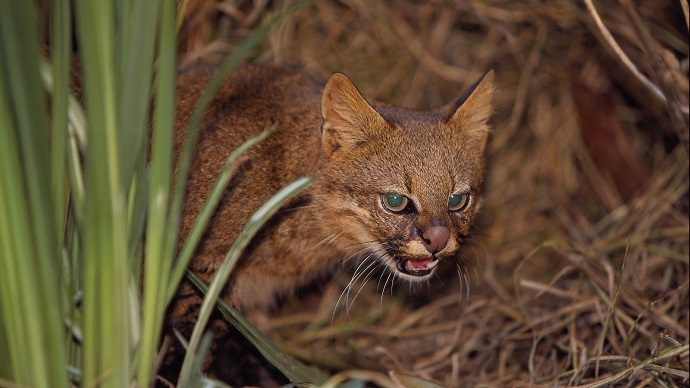
When encountering a human, a cat reacts with purring, hissing, and bristling fur. If the warning is ignored, the cat fearlessly attacks, regardless of its strength or size. Females are especially selfless when protecting their cubs.
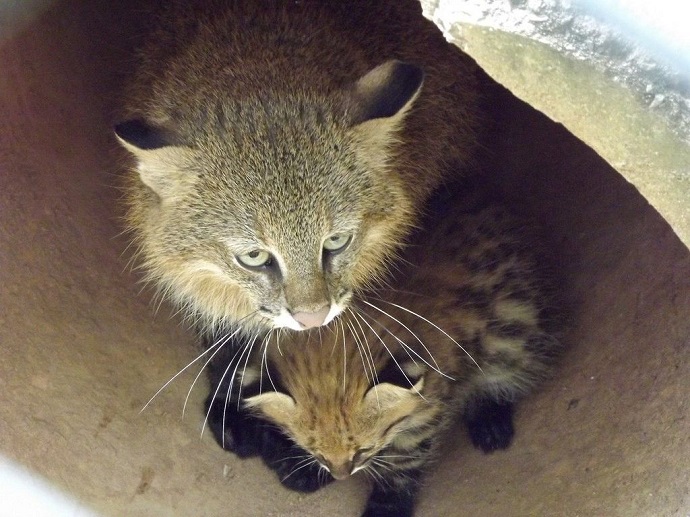
Their main diet consists of small rodents, but these predators also eat birds, eggs, lizards, and even insects.
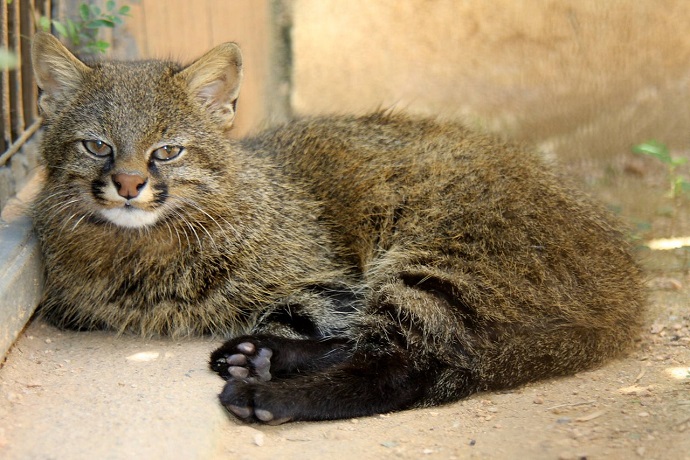
Their lifespan in the wild is not exactly known, but in captivity they live up to 16 years.
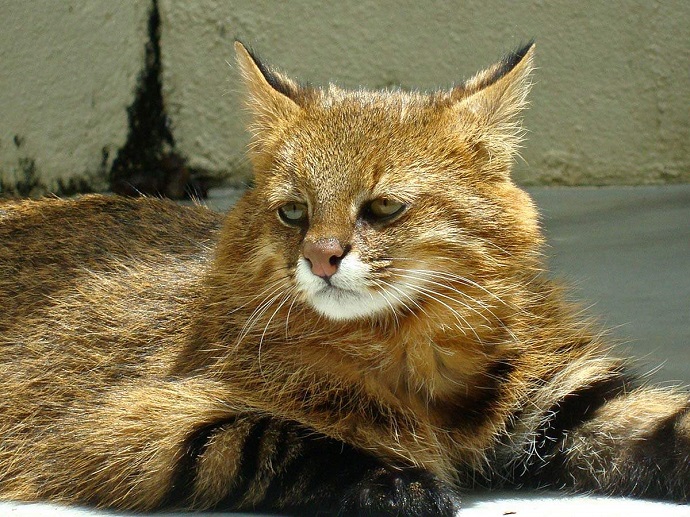
In the last century, this cat species was actively hunted for its valuable fur, with its pelts being exported en masse from the continent. It was only in 1987 that a law was passed strictly restricting the trade in Pampas cat fur.
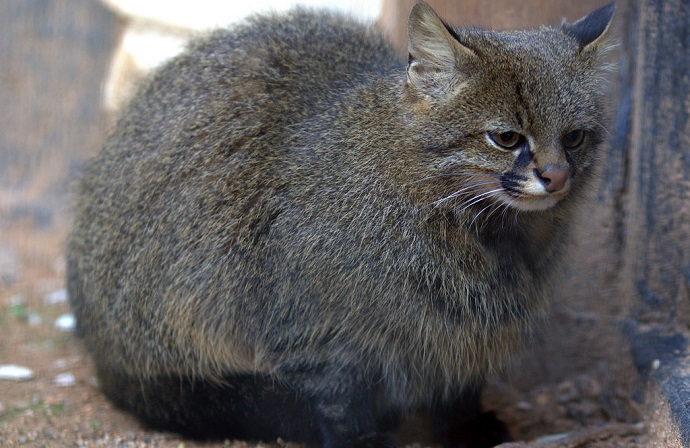
In Argentina, Chile, and Paraguay, this species is protected at the national level, and hunting is prohibited. Increasing human activity is displacing the cats from their natural habitats.
Pampas cats have a reclusive nature, so they are rarely kept in zoos or captives. In captivity, they tend to be extremely nervous and aggressive, and breeding is very rare. Even in the best of captive conditions, it's impossible to raise a Pampas kitten to be an affectionate cat.