If you don't clean the litter tray properly, it can become coated with a residue that's very difficult to remove. But we know how to do it with just the right tools, and we'll explain it in our article.
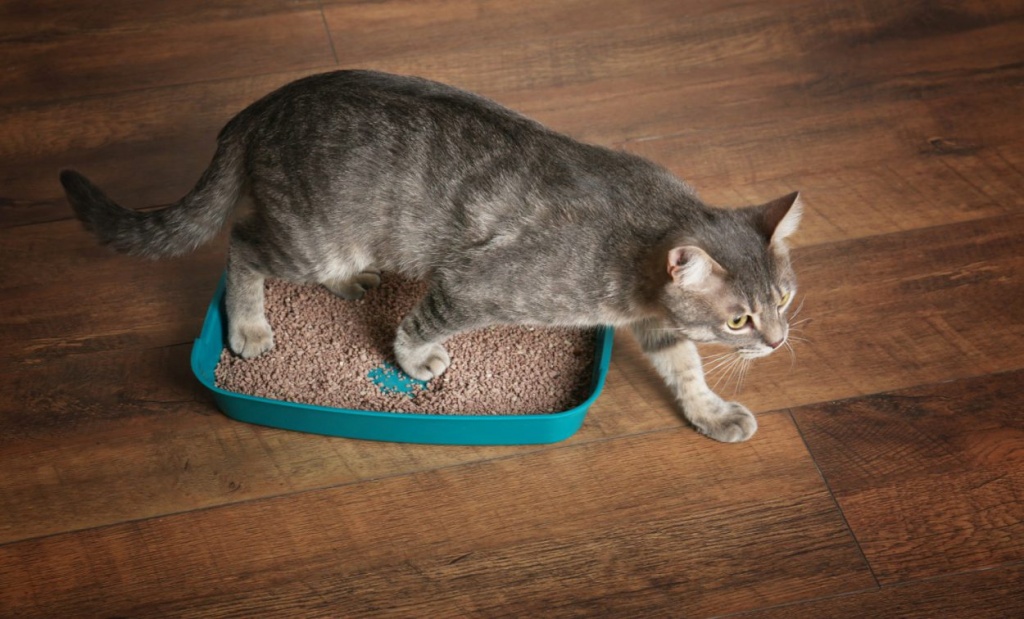
Reasons for the appearance of thick plaque
Some cat owners encounter the nuisance of urinary calculus (urate) in their cat's litter box. This plaque hardens over time, causing an unpleasant odor throughout the house. Eventually, the cat stops using the litter box.
Reasons for the appearance of urinary stones in the cat litter box:
- untimely cleaning of the litter tray;
- improper cleaning;
- using inappropriate cleaning products to clean the tray.
To prevent the formation of urinary stones and damage to the cat's litter box, it is necessary to follow certain rules for its care.
What folk remedies will help to wash off
You don't need expensive store-bought chemicals to clean your cat's litter box. Products you already have at home can help. The key is knowing how to use them and how to clean them.
Table vinegar
To clean with vinegar, heat the solution to 40°C (104°F) and pour it into the tray, submerging all stains. Let the container sit for a certain amount of time. For light stains, one hour is sufficient. For heavy stains, wait at least three hours. After this time, drain the vinegar and clean the tray with a brush and abrasives. Continue cleaning until the tray surface is smooth. Then rinse with warm water and wipe dry.
Baking soda
It's used for mechanical calculus removal and disinfection. Start by rinsing the litter box. Next, sprinkle dry baking soda on the rough surface and use a brush to rub the urinary calculus into the litter until it's removed. Afterward, rinse the litter box again with warm water and dry it outside.
Laundry soap
Dissolve the soap in hot water. Pour the soapy solution into a large container, and place the parts of the litter box containing the urinary calculus in it. Let the litter box soak for 24 hours. Afterward, remove the calculus with a stiff brush, and rinse the litter box with water and vinegar.
Mustard powder
Apply mustard powder to the damp surface of the litter box and rub it into the area damaged by the urinary calculus with a stiff brush. After cleaning, rinse the container with water. This cleaning will not only remove the calculus but also help remove the animal's markings from various surfaces.
Tips and tricks for caring for your pet's litter box
To prevent urinary stones and avoid problems with your pet's litter box, follow these simple rules for caring for your cat's litter box:
- Clean the cat litter box daily. Simply apply a drop of liquid cleaner to the bottom of the tray and rinse under running water.
- Before adding litter, add half a packet of baking soda to the bottom of the pot to extend the life of the litter and prevent unpleasant odors.
- After a year of use, replace the tray with a new one.
- Cleans the litter box at a time when the animal does not need it.
- Carry out cleaning quickly, without delay, especially if there is no second toilet.
- Do not fill the litter box with products that will remove the animal's odor.
- Use high-quality fillers to prevent the formation of unpleasant odors.
- For adults, use fillers with large granules.
- Buy only high-quality toilets. This affects the rate at which urinary stones form on their surface.
- Do not add deodorants with a citrus scent to the litter - this will scare the animal away and it will not use the litter box.
- Do not use cleaning products with a citrus scent.
A cat's litter box's cleanliness determines not only whether it will use it but also its health. Late or improper cleaning can lead to the development of pathogenic microbes.