Almost everyone has a favorite pet. Different people prefer different animals, but cats are the most common choice. Unfortunately, cats are very susceptible to various diseases. However, there are several breeds that are not prone to illness.
Bengal cat
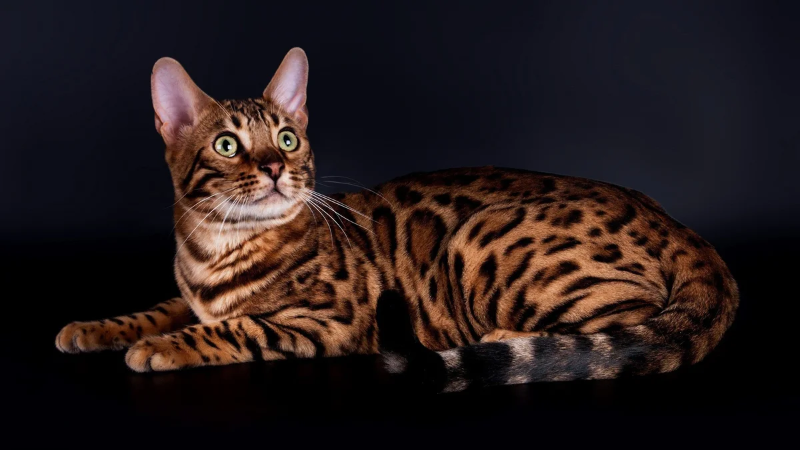
The Bengal is an elite breed distinguished by its grace, attractiveness, and recognizable leopard-skin pattern. This cat is a welcome addition to any home; they adapt well to changing environments and are non-aggressive. They are also highly trainable and have well-developed social skills.
Another distinctive feature of this breed is that they have short hair that lies close to the body and has a beautiful shine inherited from their wild ancestors.
Bengal cats are low-maintenance. Their short fur is virtually non-shedding and tangle-free, requiring only a brush every two to three days.
Trimming their nails once a month by 2-3 mm is also recommended. Occasionally, it's a good idea to brush their teeth with a special toothpaste. This breed loves water, so washing them is easy.
Cats of this relatively young breed have strong "wild" blood, which helps them fight off various diseases. Their only weak point is their stomach, but with a balanced diet, problems should not arise.
Russian Blue cat
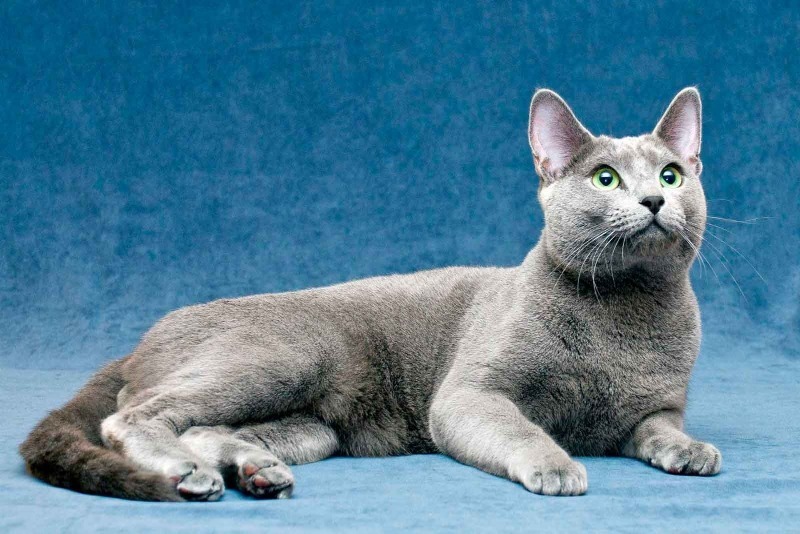
Looking at this majestic breed, you think that aristocracy exists not only in the world of people, but also in the world of cats, and now before you is their representative.
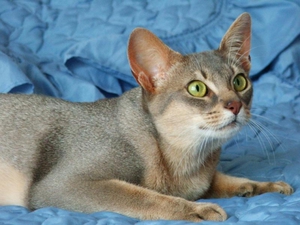
The Russian Blue breed is distinguished by its short but fine coat. Despite this, it is very dense due to its thick undercoat.
Purebred cats have a pleasant bluish color, which is achieved due to the special structure of their fur.
This breed of cat is very devoted to its owner, it can feel great in the company of one person and in a large family, but it will pay most attention to the owner who takes care of it the most.
Russian Blue cats are quite independent and can take care of their own fur, but sometimes they need a little help. Brush them with a special brush once a week.
Veterinarians advise against giving them milk frequently, as this can lead to digestive upset. Their diet should be low-calorie and balanced.
Siberian cat
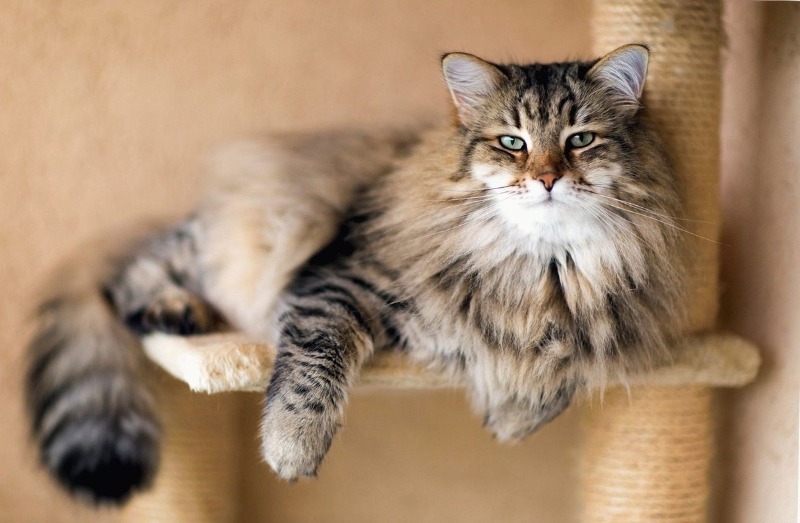
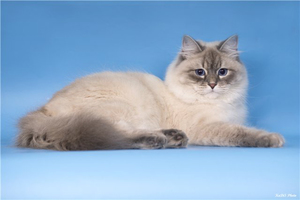
The Siberian cat will amaze you with the density and quality of its fur. This breed's nature is distinguished by its generosity. They are excellent hunters and will destroy any rodents within their reach.
The Siberian cat is a true Russian beauty. Its large body and powerful legs make it a stunning sight. Despite its long fur, the breed is hypoallergenic.
Their character is truly warlike; they love to defend their territory from uninvited guests, such as strangers or other people's animals.
Cats don't require much grooming for their magnificent coats. They only need brushing during shedding season. Their claws can be trimmed as they grow.
Feeding your cat should strictly follow a nutrition plan developed by your veterinarian. It's important that the diet be high in protein.
American Shorthair cat
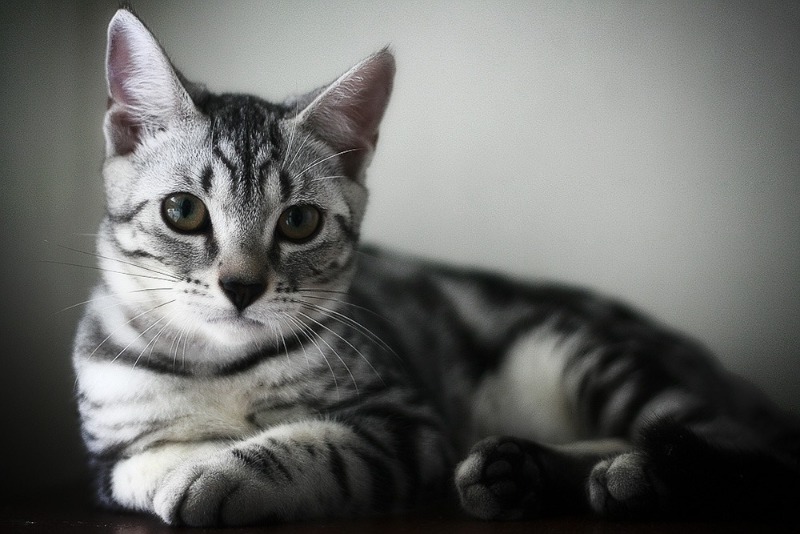
This breed is distinguished by its brindle coloring, soft fur, and graceful posture. For Americans, these cats are a classic; it's hard to imagine the feline world without them. They are often featured in advertising.
American cats have short, thick fur with a dense undercoat.
Owners of these cats note their incredibly affectionate and docile nature; they easily learn tricks thanks to their high intelligence.
This breed's coat requires regular brushing and occasional bathing. They also have a good appetite. It's important to choose the right diet. This breed's claws are very long, which can cause discomfort, so they need to be trimmed as they grow.
Nature has endowed these creatures with robust health and excellent immunity.