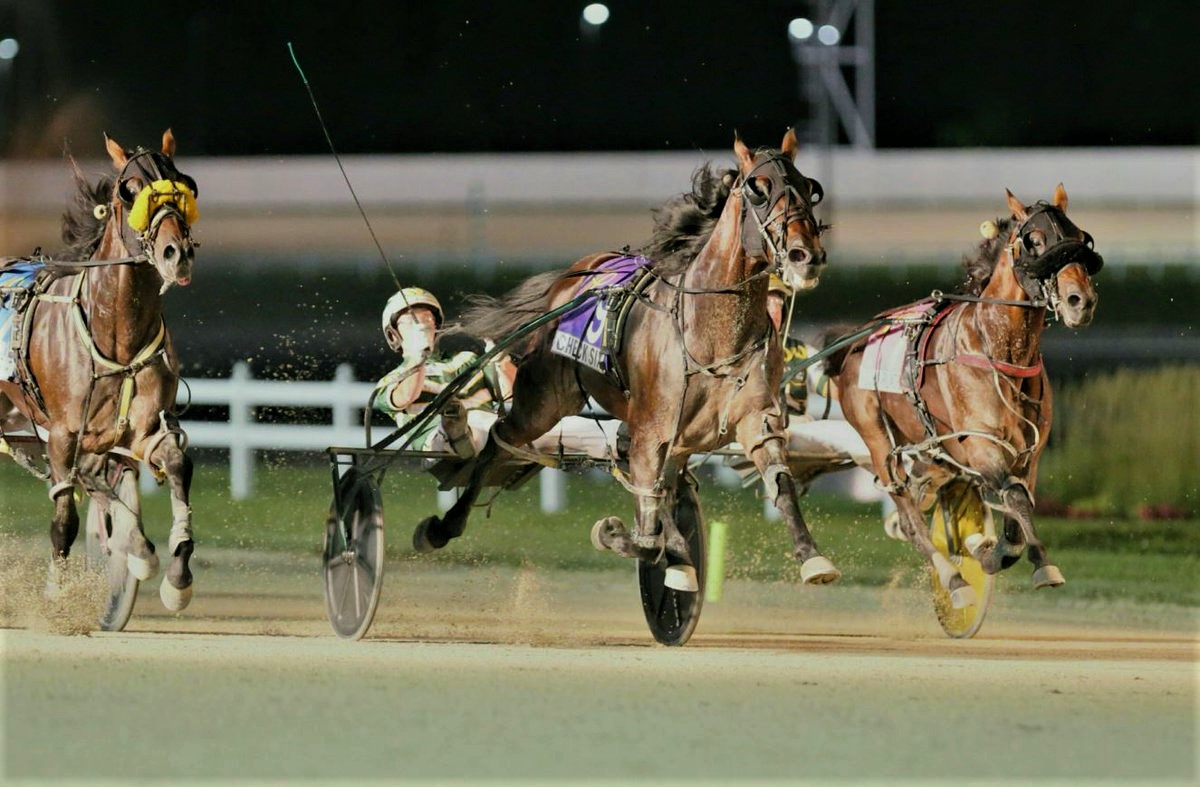
Racing is a type of hippodrome test for trotting horses harnessed to a special rocking carriage. The horse is controlled by a rider, a person who has completed training at a specialized school.
History of trotting
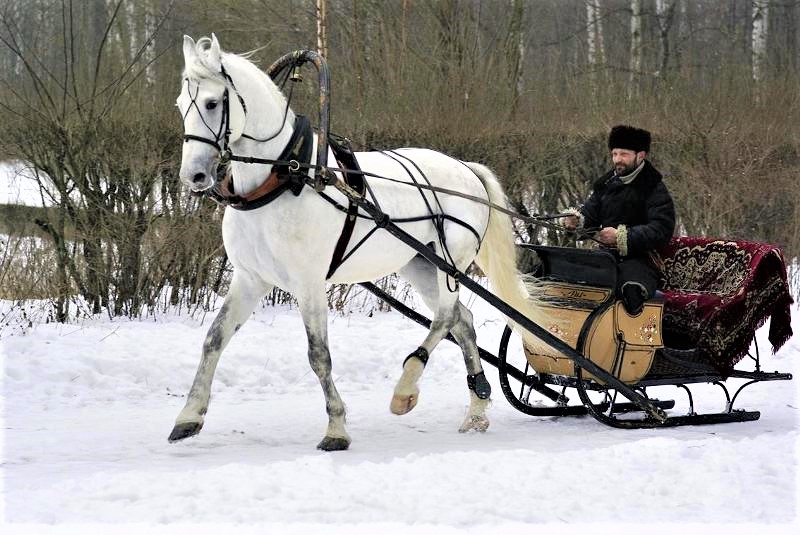
Trotter racing was first held in Russia. In 1776, Count Orlov, while working on improving the Orlov trotter breed, began testing them for speed and endurance. In winter, Orlov trotters raced in heavy sleds, and in summer in four-wheeled carts. The rules were very different from today's. The horse ran in a straight line over a long distance, accompanied by a galloping horse and rider, who kept track of the time and encouraged the trotter's morale.
A little later, in 1829, trotting races were introduced in America. American horse breeders developed their own trotting horse breed and improved the carriage, making it two-wheeled, lighter, and more maneuverable. The rules changed. Horses raced in a large group in a circle. Shorter distance races of up to 1,600 meters emerged.
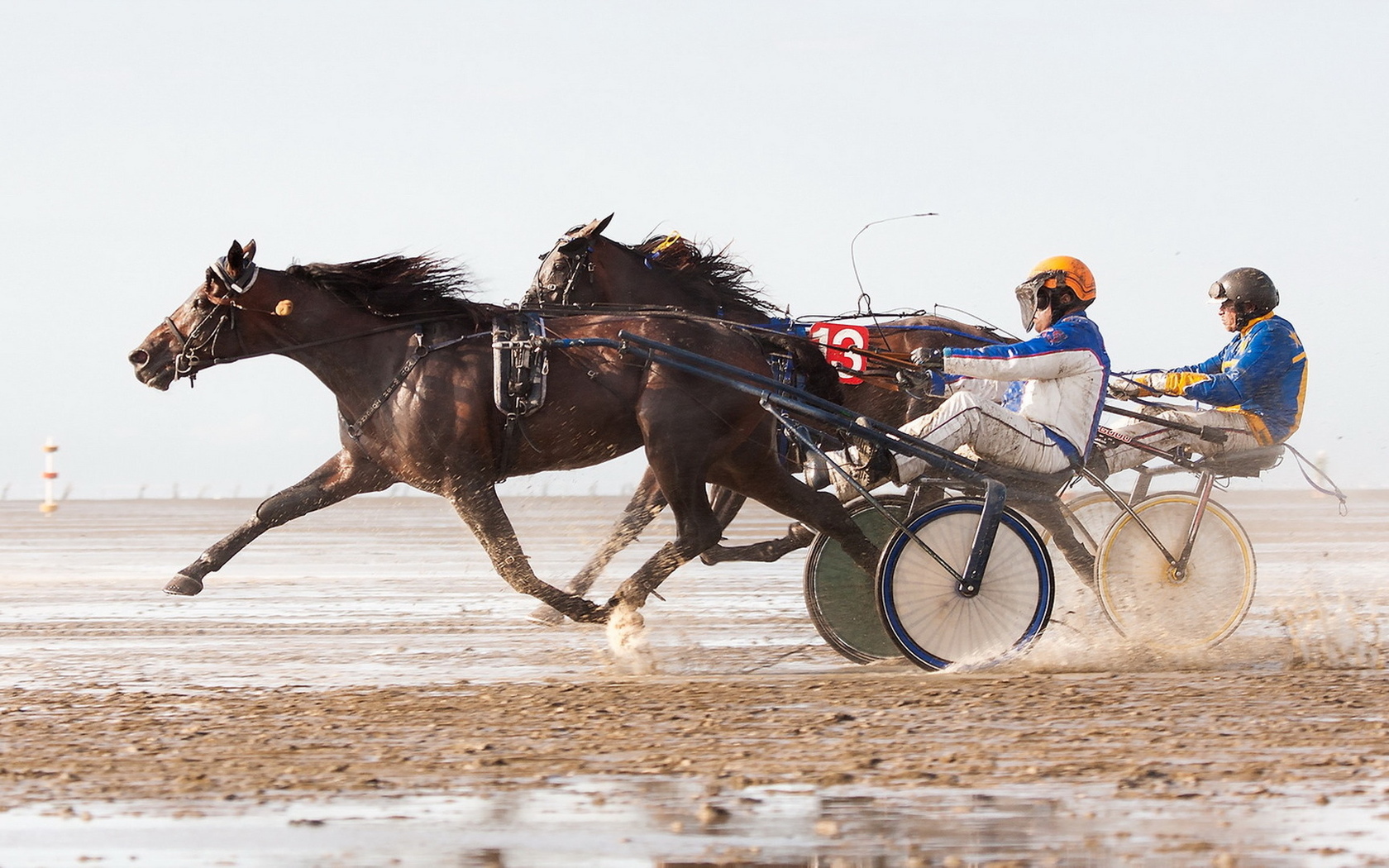
Today, racing is widespread throughout the world. The United States, Canada, France, Australia, and New Zealand are among the countries where trotting has won great acclaim from spectators and brokers.
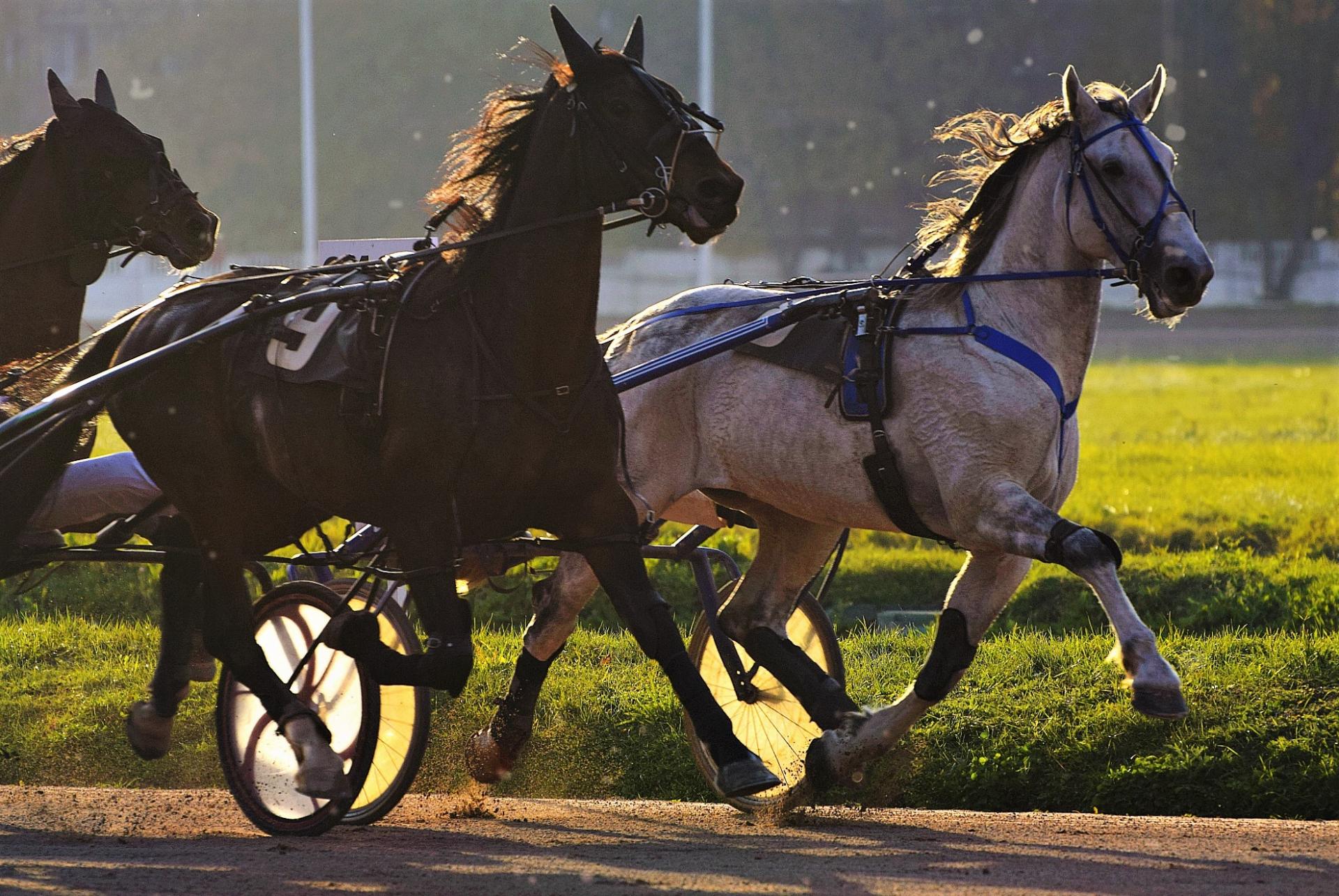
Breeds of trotting horses
Trotters are capable of running at a fast trot for long periods, expending less energy and stamina than riding or draft horses. These horses are now most often used for trials, driving, and carriage rides around the city. Trotters are divided into traditional breeds, where maintaining their appearance and beauty is of great importance, and prize breeds, where the primary goal is to produce faster and more resilient animals.
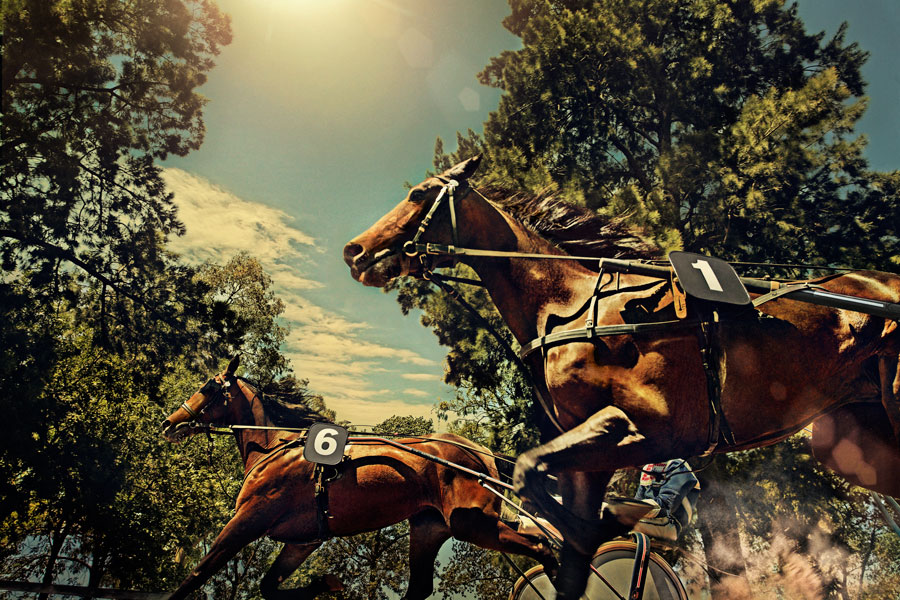
Orlov Trotter
A traditional trotter breed. While inferior to prize horses in speed, they have a more elegant, graceful build and a distinctive, dapple-gray coat. Orlov horses are raced in closed competitions at hippodromes, without the participation of prize-winning trotters. These horses excel in riding; their graceful and comfortable gaits give them an advantage in both leisure and dressage, and their strong legs allow them to clear high obstacles.
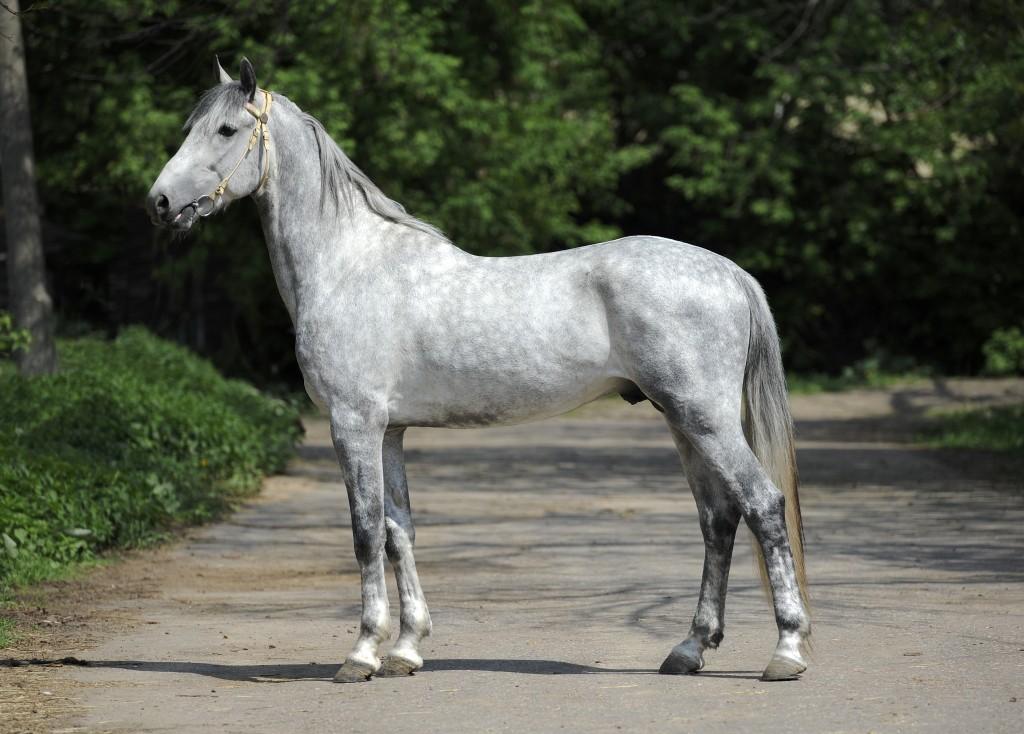
American Trotter, or Standardbred horse
A prize breed. The fastest trotters in the world, they set the standard for speed. American horses are not particularly attractive; their coat color is usually chestnut, bay, or black, without white markings.
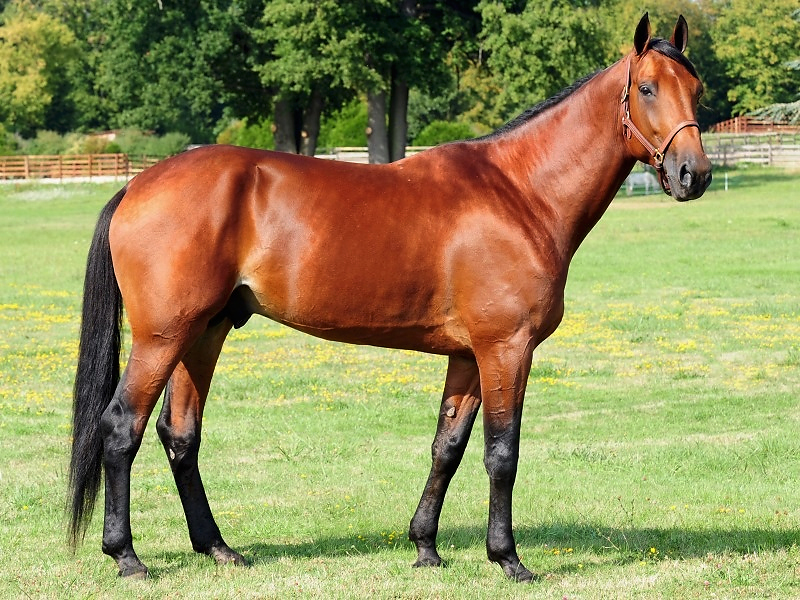
Russian trotter
The youngest trotter breed. These horses were developed in Russia in an attempt to create a versatile horse that would retain the beauty of the Orlov and the agility of the American Trotter.
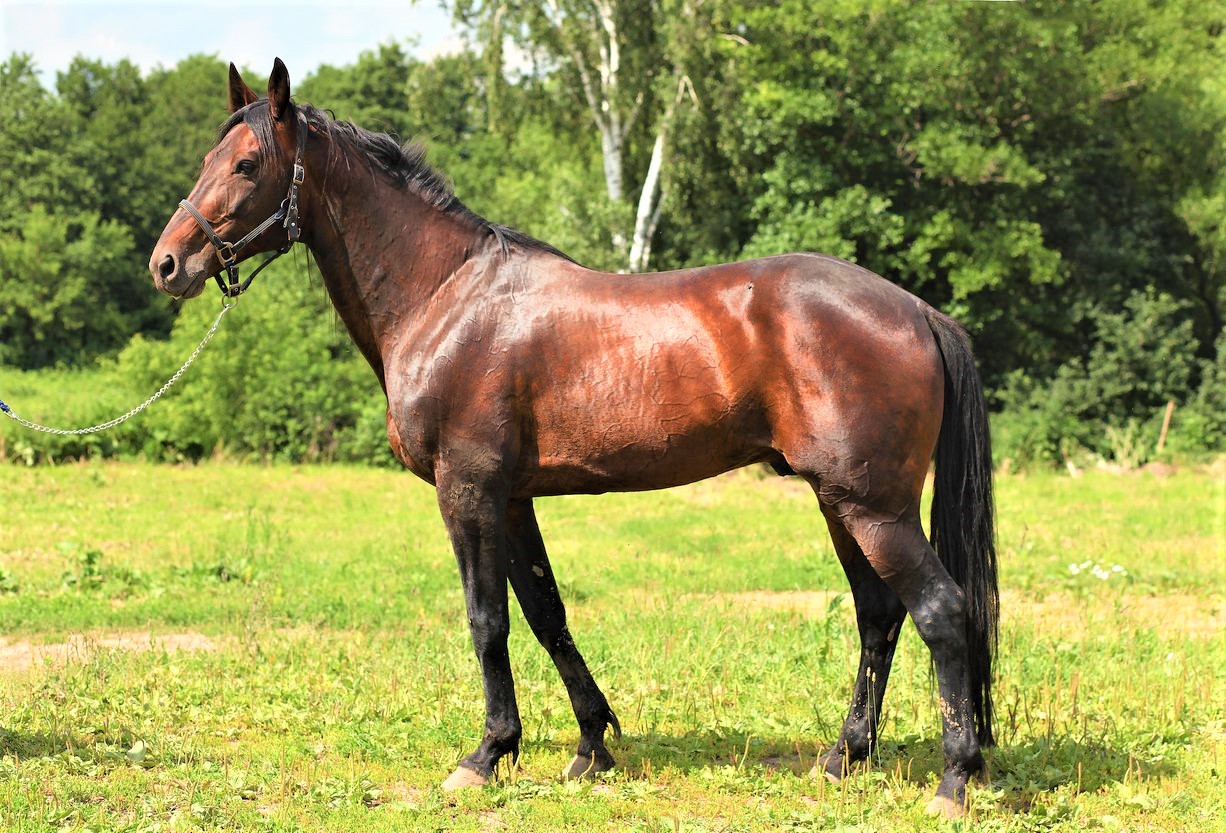
French trotter
The French Trotter was developed in Normandy. Initially, they were used for carriage and saddle duty. Later, faster horses emerged, and they were used in breeding, resulting in a magnificent breed. They are slightly slower than American Trotters, but have greater endurance over long distances.
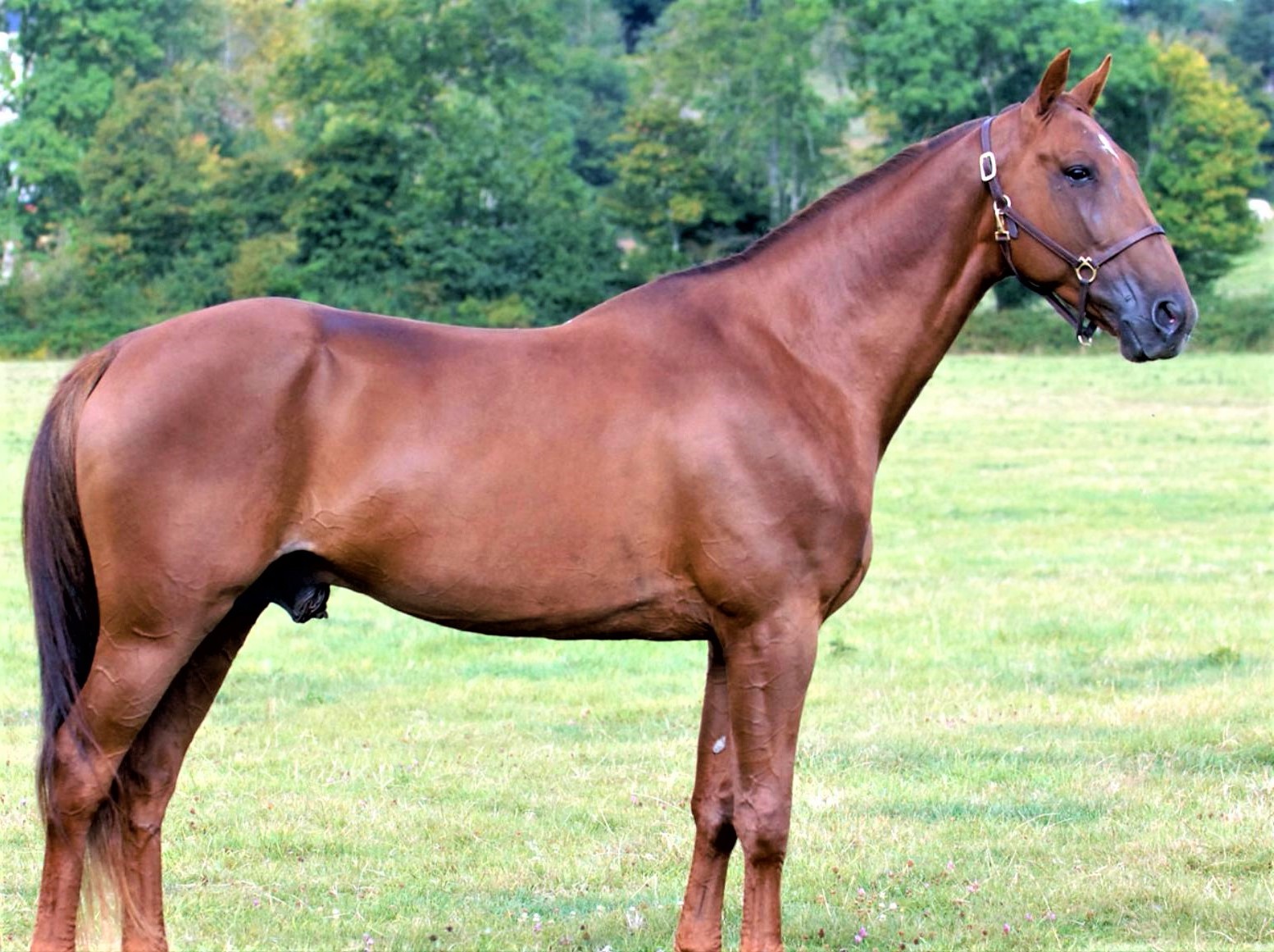
Rules for conducting races
Horse racing takes place at hippodromes, a vast complex of buildings and stables, with the racecourse being the racing circle. Betting is widespread in Europe and the West.
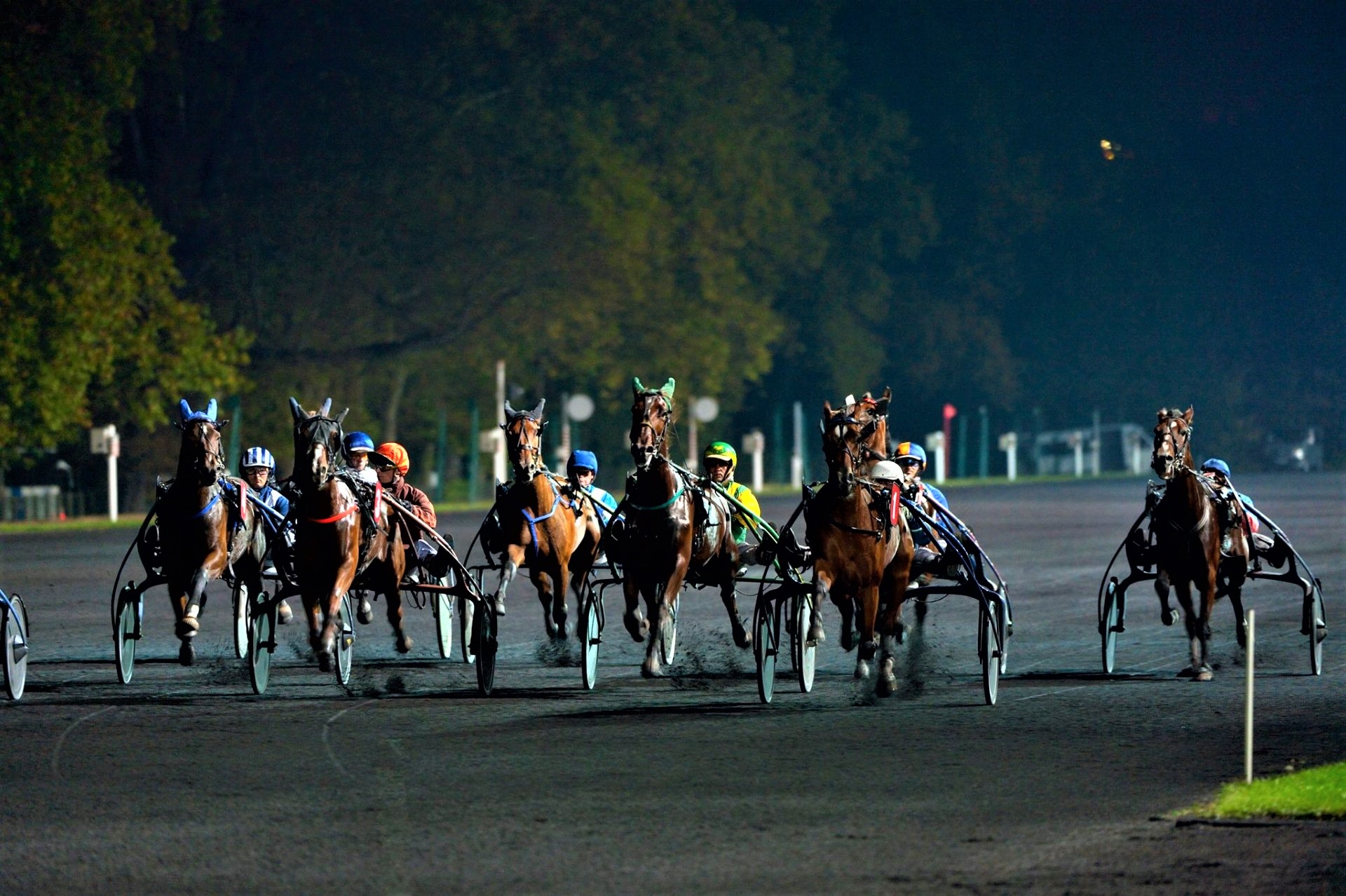
The running track is at least 1,600 meters long. Particular attention is paid to the ground, as the all-season surface ensures the best traction for horses, even in the worst weather. Around the high-quality prize track are simpler tracks for training. The racecourse is divided into quarters of 400 meters, allowing for easy differentiation between the 1,600-, 2,400-, and 3,200-meter distances.
The largest hippodromes in Russia
Almost every city has a racetrack. Most are small, but a few host horses and riders of international standing.
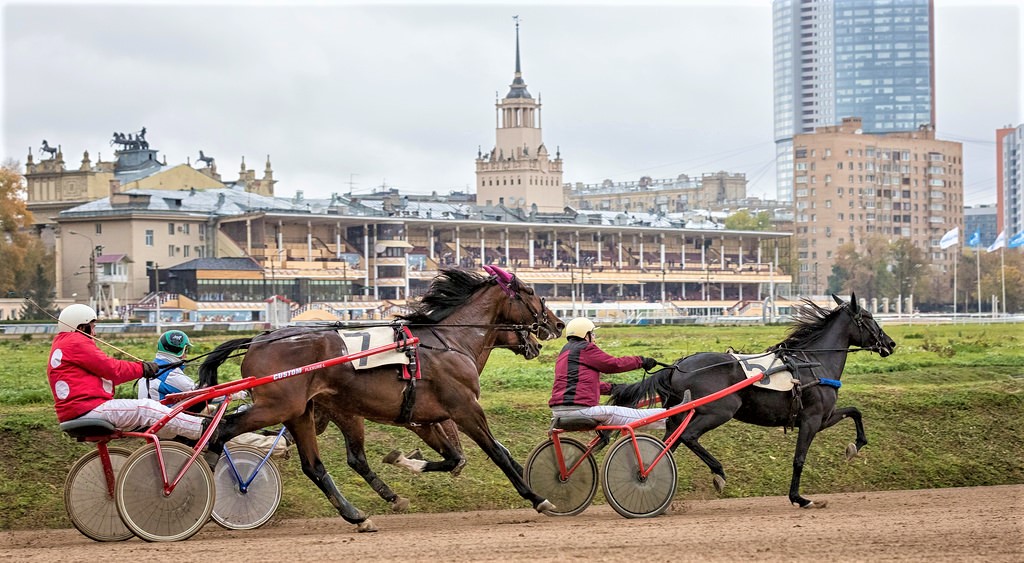
Central Moscow Hippodrome "CMI"
One of the oldest and most prestigious hippodromes, the Moscow Hippodrome is home to the fastest horses in Russia and Europe.
Ufa hippodrome "Akbuzat" in Ufa
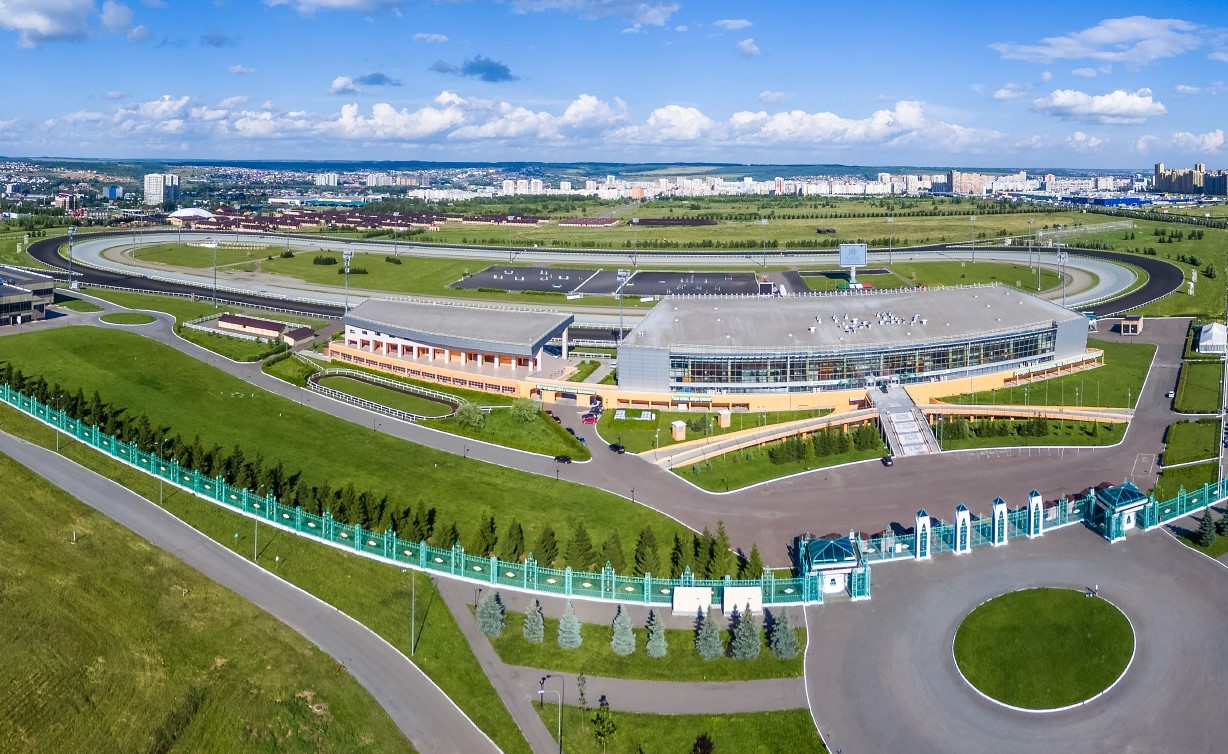
Today, Akzubat is a huge, modern equestrian complex. The hippodrome grounds include a modern grandstand, a three-story stable, and a large veterinary center.

Kazan Hippodrome
An international-class hippodrome. It is the main equestrian center in Tatarstan, where breeders can evaluate the results of breeding trotters.
On weekends, it's worth visiting the hippodrome, as trotting horses are a very unusual, exciting, and sometimes extreme spectacle.