Proper pet care is the foundation of their health and longevity. Before bringing a cat or dog into your home, it's important to learn all the rules for caring for the animal, especially if the breed you've chosen has any special characteristics. Owners often make the same common mistakes that are detrimental to their pets and should be avoided.
Feeding your pet different types of food at once
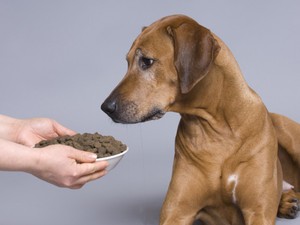
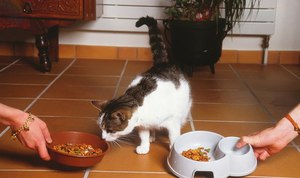
Particular attention should be paid to your pet's diet. Not all foods are suitable for cats or dogs. Feeding animals from the human diet is strictly prohibited. When you bring your pet home, you need to decide whether it will eat natural foods (meat, fish, offal, grains, fermented milk products, etc.) or commercially prepared foods, such as dry kibble and various wet canned foods.
In the first case, food preparation will take much more time, as it will require creating a balanced diet of approved ingredients. The second option is much simpler, but when choosing prepared food, it's important to choose super-premium brands.
Mixing the two types of nutrition (natural foods and prepared foods) is prohibited. This can lead to serious health problems, including digestive problems and other disruptions in the body due to a deficiency or, conversely, an excess of nutrients and vitamins in the diet.
Untimely sterilization or castration
Many owners mistakenly assume that spaying or neutering an animal is an inhumane procedure that can harm their pet's health. In fact, the opposite is true. Refusing the surgery can actually have negative consequences.
Firstly, unwanted offspring are of little use to anyone, and many owners don't always make the necessary efforts to rehome kittens or puppies. Secondly, hormonal changes in an animal's body can cause unusual behavior (aggression, screaming, etc.). Another advantage of neutering is that it eliminates the risk of reproductive diseases in cats and dogs.
Don't brush your fur
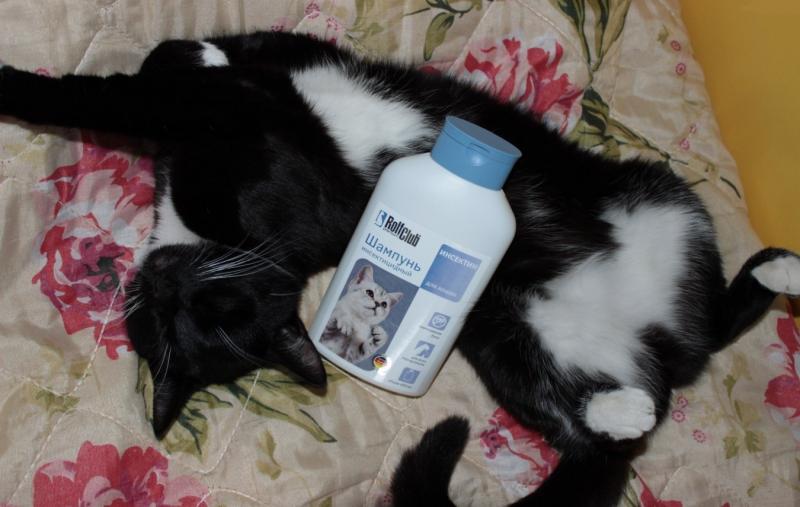
Don't forget about your pet's coat. Depending on your cat or dog's characteristics (long hair, thick hair with an undercoat, etc.), their coat needs to be brushed regularly. This will prevent tangles, which can cause a lot of discomfort.
With regular grooming, cats will lick their fur less, and therefore have fewer digestive problems. Dogs and cats, whose bodies are practically hairless, don't need brushing, but they should be bathed more frequently with special shampoos.
Don't brush your pet's teeth
Pets' teeth also need proper dental care. Plaque builds up on cats and dogs' teeth over time. If not removed promptly, it can lead to a number of problems, the most harmless of which is bad breath. Special toothbrushes are available for sale. These can be small brushes with a long handle or special rubber finger brushes.
Human toothpastes should not be used for dental care in dogs and cats. Pet stores and veterinary pharmacies sell special toothpastes for animals. If you neglect brushing your dog's teeth, regular toothbrushes will no longer be able to remove the thick layer of plaque and tartar, and the problem will need to be addressed by a veterinarian.
Leaving your pet alone for a long time
Animals are highly dependent on humans, and being close to them is one of their primary comforts. Dogs, in particular, have a hard time coping with loneliness. Due to a lack of attention and an excess of energy, left alone at home, they can turn the apartment upside down.
Although cats are considered more independent animals, they can also become bored in their owners' absence. If work takes up a lot of time but you still want a pet, choose breeds that can easily cope with solitude (Bernese Mountain Dogs, Great Pyrenees, Russian Blues, and others).
Caring for a pet requires time and effort from its owner. Not only does it require a balanced diet and timely veterinary care, but it also requires proper grooming and dental care, as well as active time. All these factors are essential for a healthy and comfortable life for your pet.