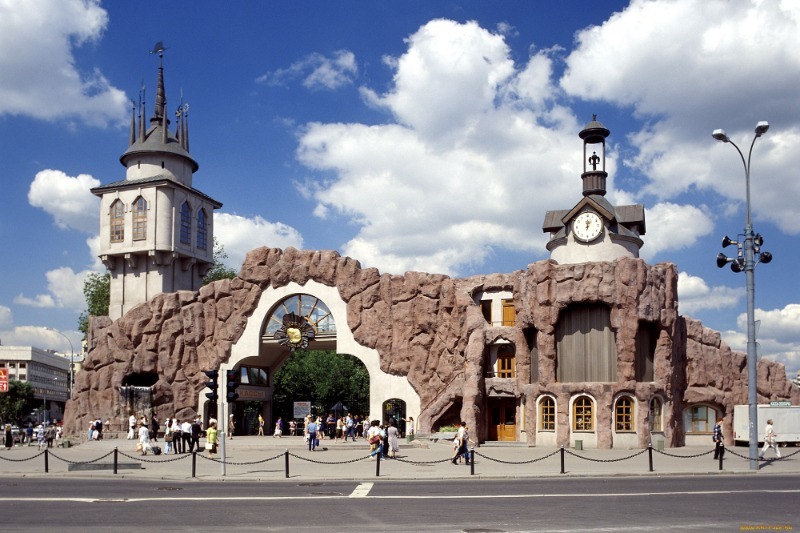
The Moscow Zoo opened its doors in 1864. Even then, one could see not only native animals but also exotic lions, jaguars, tigers, leopards, rhinoceroses, and alligators. Today, the zoo houses truly unique and rare species of fauna.
Pandas Ruyi and Dingding
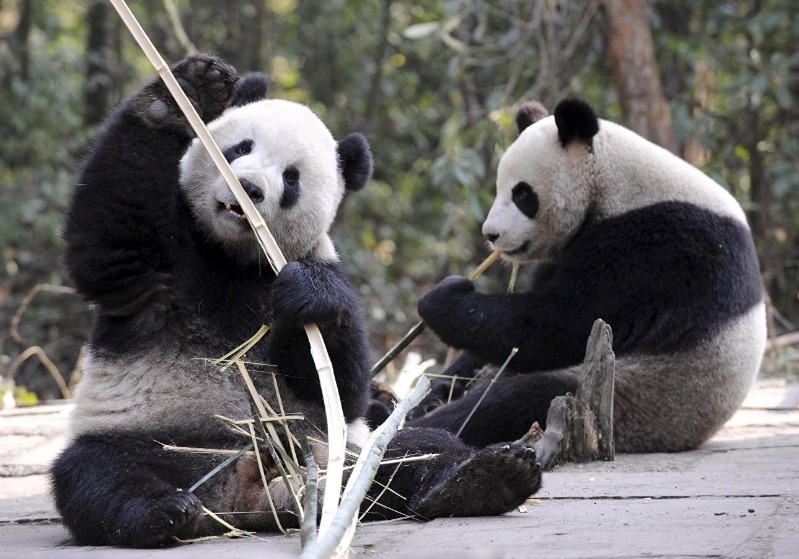
Ruyi and Dingding are guests from China. Their species is listed in the Red Book, and there is a special conservation program for giant pandas. It was thanks to this program that the animals came to the Moscow Zoo.
Ruyi is a year older than his friend. He was born in the summer of 2016. He's also much larger, weighing 96 kg. But that's not the limit, as an adult panda can reach 180 kg. Dingding is much smaller, weighing only 58 kg.
Snow leopards (irbis)
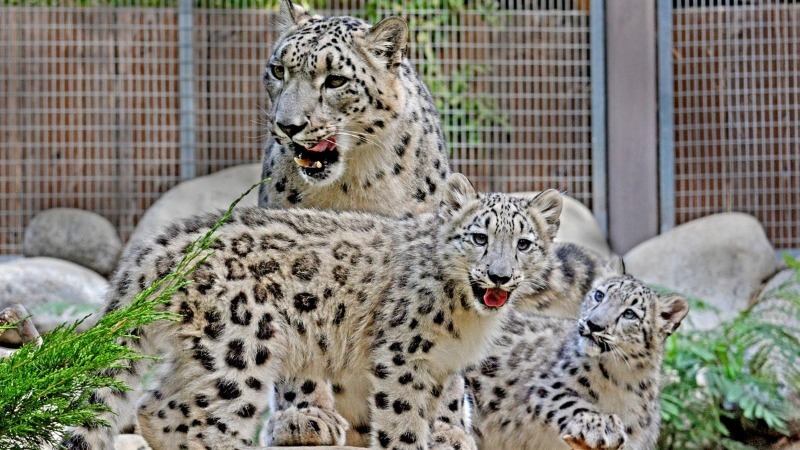
In 2013, a long-awaited event took place at the Moscow Zoo. One of the female snow leopards gave birth to cubs. Choosing a name for an animal is always a very exciting time.
Visitors often remember Olga, a member of the snow leopard family who lived at the zoo for more than 20 years and died in 2017.
Giraffe Samson Gamletovich Leningradov
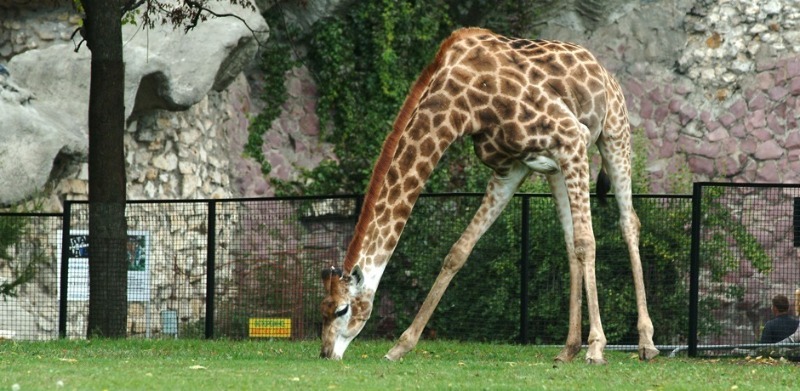
This is the only animal in the zoo with a first, last, and middle name. The last name is clearly telling, as Samson arrived at his Moscow home in 1994 from St. Petersburg. The giraffe's enclosure has a very high fence. This is because visitors like to feed their pet, which is prohibited. Animals of this species have specific feeding standards. Giraffes spend their entire lives standing, even sleeping in this position. But in recent years, Samson has begun lying down several times a day. And "gifts" from kind visitors can only make things worse.
Polar bears (Murma, Wrangel, Simona and Nika)
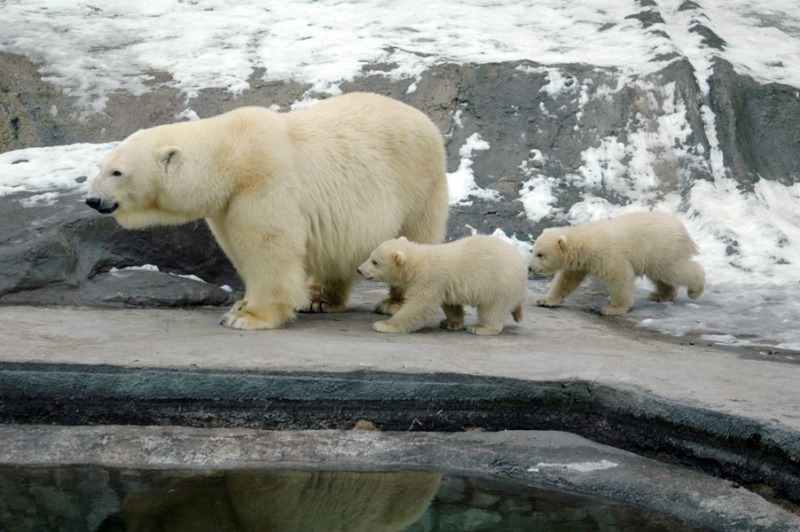
Polar bears are popular inhabitants of the Moscow Zoo. Each bear has its own story. A female named Simona and a male named Wrangel were a happy bear family. At the zoo, Simona gave birth to 15 cubs. The cubs are born weighing 600-700 grams and are neither visible nor heard for the first month. They remain with their mother for two to three years. It's fascinating to watch a pair of two-year-old bears, the same size as their mother, compete for food or toys. Simona moved to the Nizhny Novgorod Zoo. Wrangel formed a mate with a female bear named Murma.
In 2016, a female polar bear cub was found near a village in Chukotka. Without her mother, she was very weak and would not have survived in the wild. She was transported to the Moscow Zoo on several planes. The bear was named Nika.
A family of gorillas
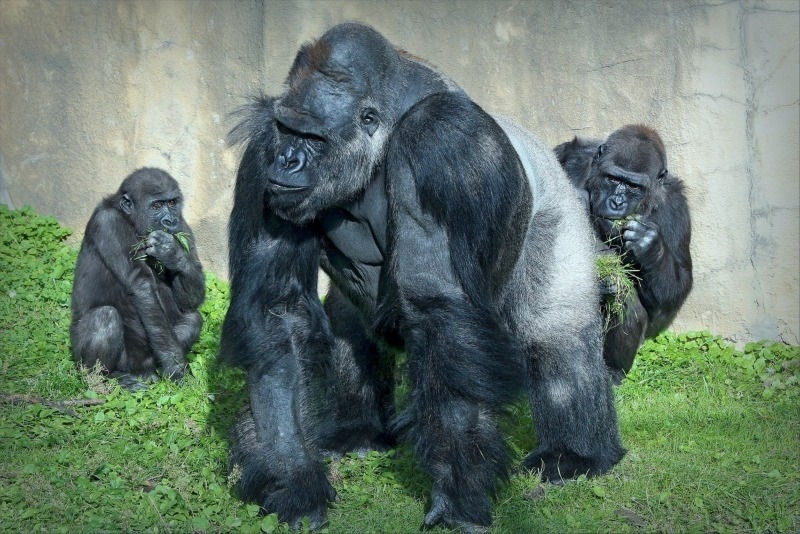
Lowland gorillas are listed in the Red Book as an endangered species.
In 1998, a pair of gorillas were brought from Leipzig. At the time, they were both 30 years old. The male sadly died, and the female, named Pabsi, was very upset until other members of her species arrived. She is now the family's important grandmother. The leader of the troop is a male named Vizuri. The females, Kira and Shinda, are honorary mothers, having given birth to several young each. The last was born in 2018.
Przewalski's horses
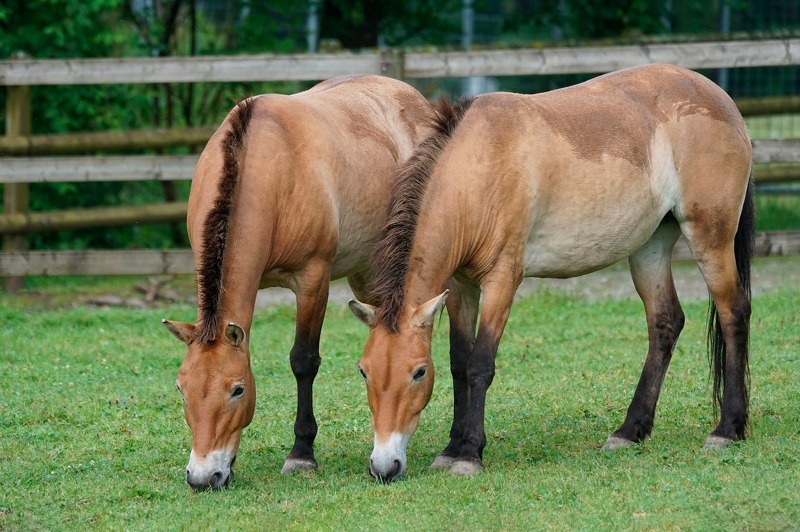
These animals were named after the Russian explorer who first reported their existence in 1879. Unfortunately, by the 1970s, not a single horse of this species remained in the wild. No more than 20 remained in captivity. However, in 1992, the first participants in the reintroduction program were released into the wild in Mongolia. The population has now grown to 300 individuals.
Przewalski's horses have been on display at the Moscow Zoo since 1917.
A pair of jaguarundis
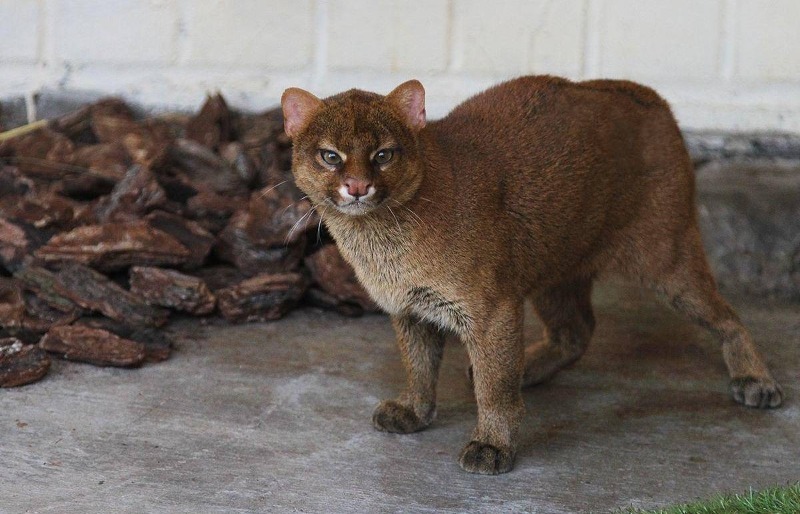
Jaguarundis are members of the cat family, more specifically, the puma family. They arrived at the Moscow Zoo in 2016. The male came from a zoo in Novosibirsk, and the female from a zoo in Germany. They are active at different times of day. Despite living in the same territory, the animals tend to avoid each other.
A herd of vicunas
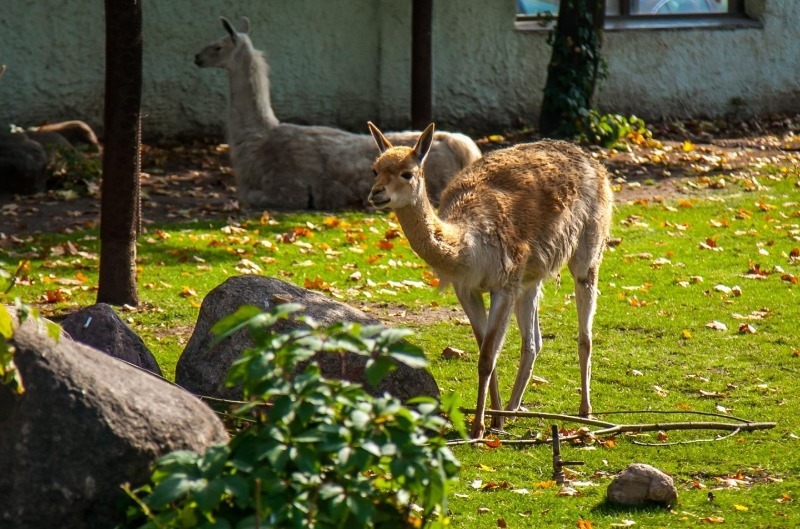
Vicuñas have the most expensive fur in the world. These animals live in the mountains of South America. Keeping them in zoos is problematic, as they require a large area to roam. Therefore, you won't find a herd of vicunas at the Moscow Zoo; they are kept in a breeding facility in the Moscow region. Their enclosure is located on a mountainside.
Black antelopes
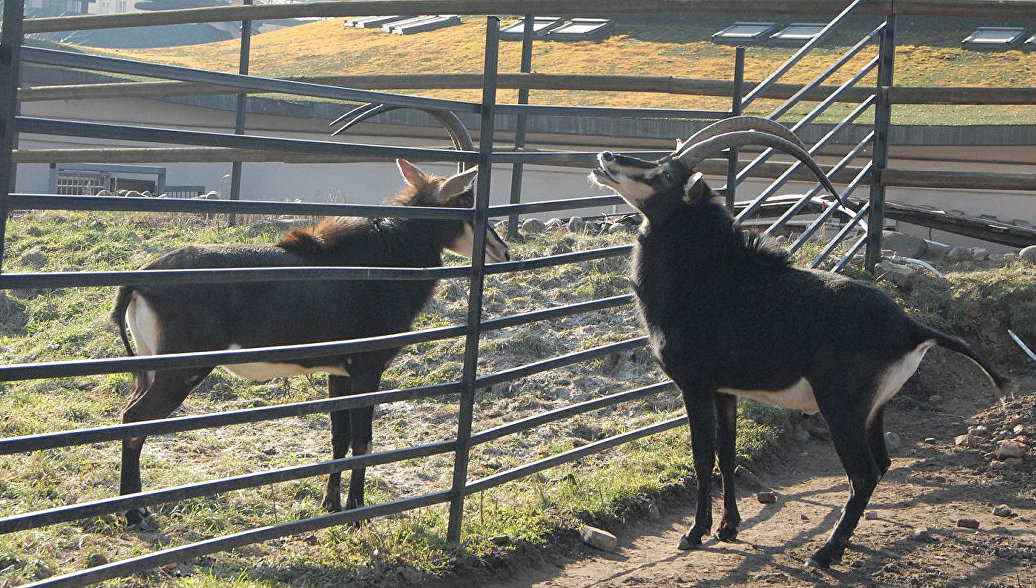
These animals are also known as Harris's antelopes, named after the explorer who described them in 1836. The species is critically endangered and could follow the fate of the blue antelope, which was completely exterminated by the mid-19th century.
Black antelopes were brought to the Moscow Zoo as a gift from Holland in 1971. Since then, these animals have become a favorite among visitors. Not every zoo can boast such unique specimens. The female black antelopes' trust in the Moscow Zoo staff is boundless: they can walk to the other end of their enclosure and leave their calf with the staff.
Sichuan Takin family
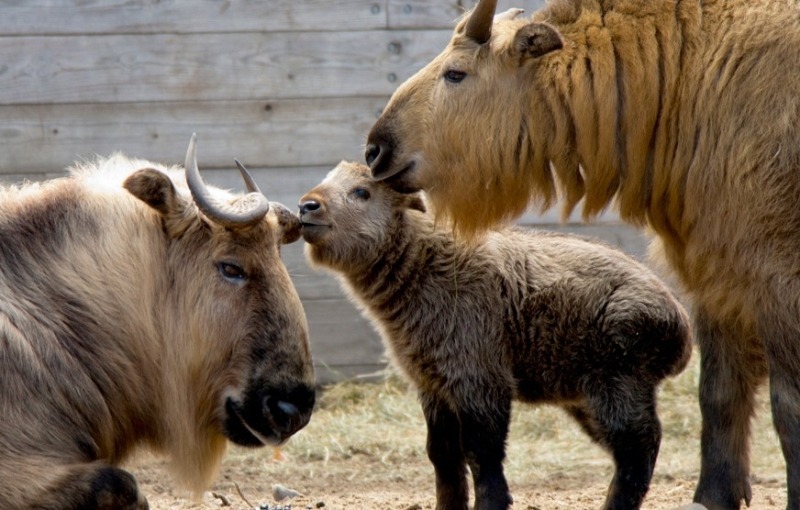
On March 9, 2019, a 10-kilogram Sichuan takin cub was born at the Moscow Zoo. He was named Ayu. He still has a long way to go to reach his adult weight of 300 kg. The cub's mother is named Ru, and his father is named Kraken. They are endangered ungulates.
Rare Pallas's cats
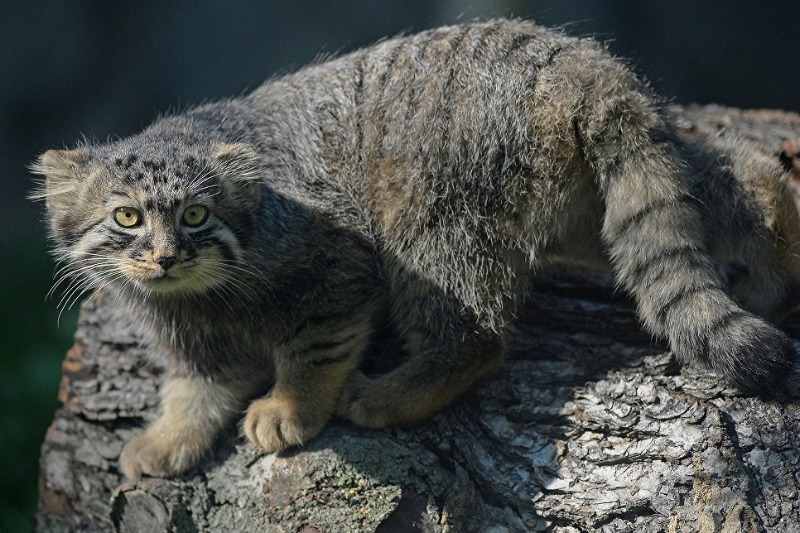
Despite its domestic-cat-like appearance, the Pallas's cat cannot be domesticated. Even cubs born in zoos do not become tame. An image of this animal adorned the main entrance from 1987 to 2014. It was the staff of the Moscow Zoo who were among the first to successfully breed Pallas's cats in captivity. This occurred in 1975. Since then, 140 kittens have been born.
A family of Indian lions
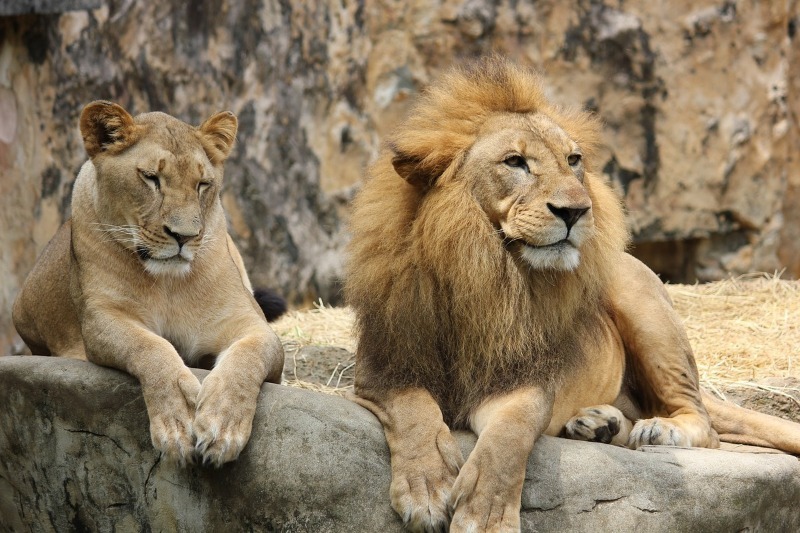
Indian lions are also known as Asiatic lions. They are distinguished by their short lifespan, averaging up to 15 years. They also have a very loud voice: an Indian lion's roar can be heard from 8-9 km away.
Indian lions have been living at the Moscow Zoo since 1995. The first attempt to breed this species with a pair ended in failure. However, the second pair produced two lion cubs in 2015.