We're all used to the idea that carnivores eat meat and herbivores eat plants. But there are exceptions. The giant panda is one such exception. For some unknown reason, this fearsome predator has switched to a diet of bamboo.
Scientists have long argued about which family this species belongs to.
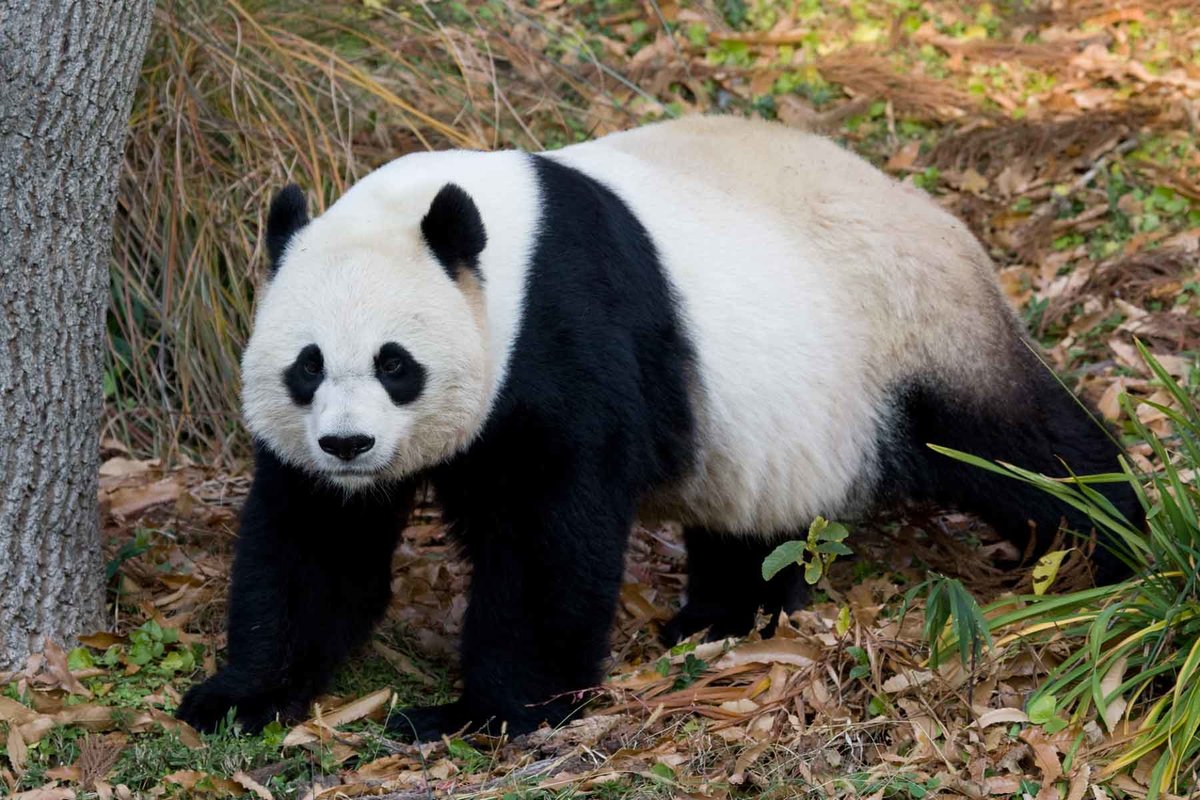
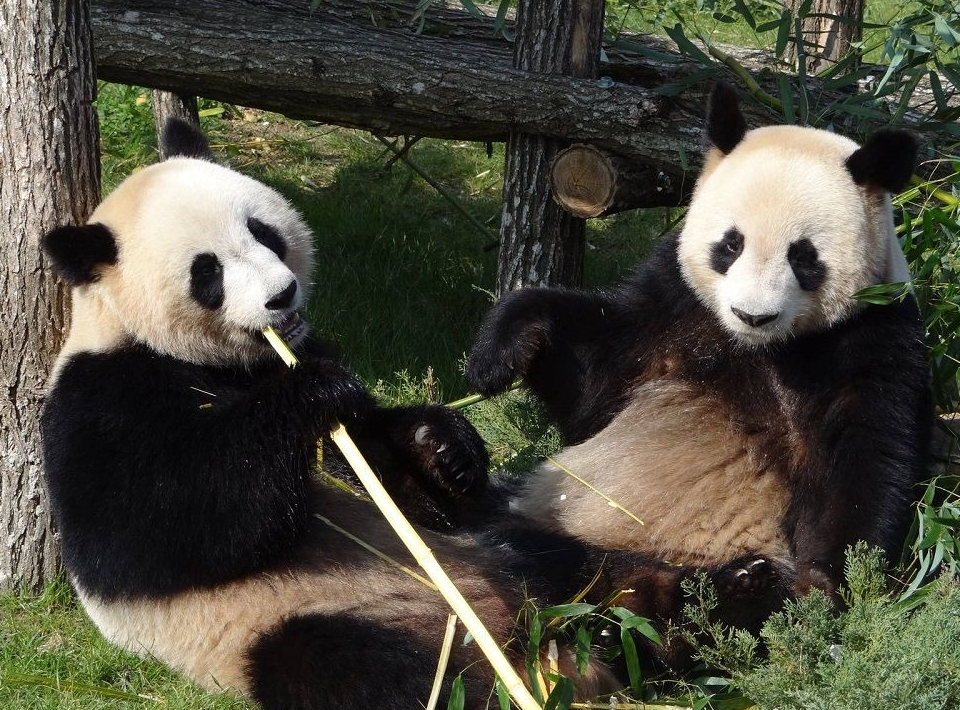
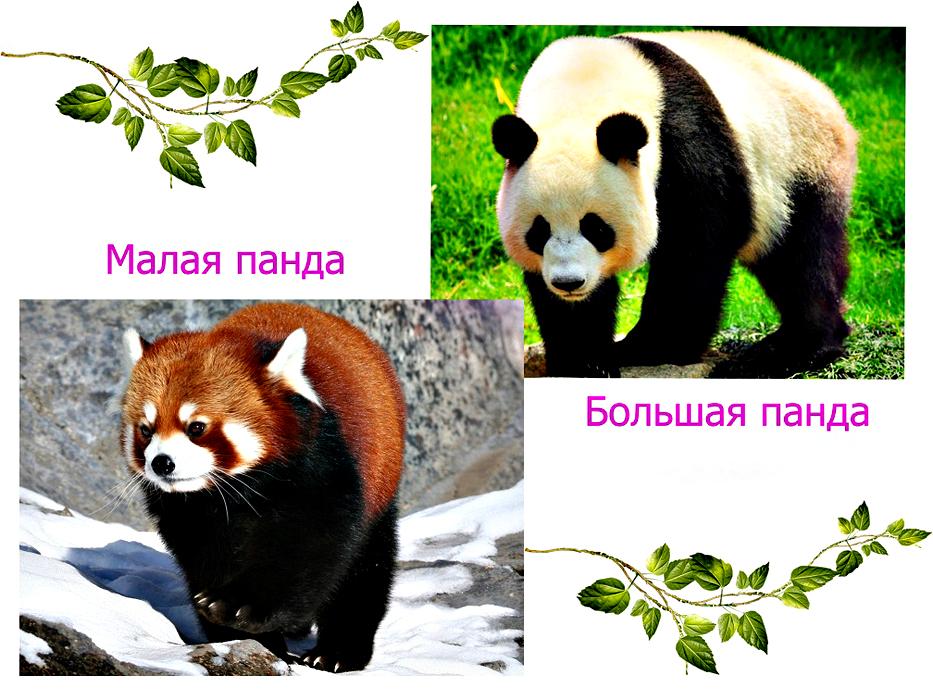
After conducting genetic tests and molecular diagnostic methods, it was discovered that the red panda is actually a raccoon, while the large panda is a bear.
Despite the similarity in appearance and name, they are not related species.
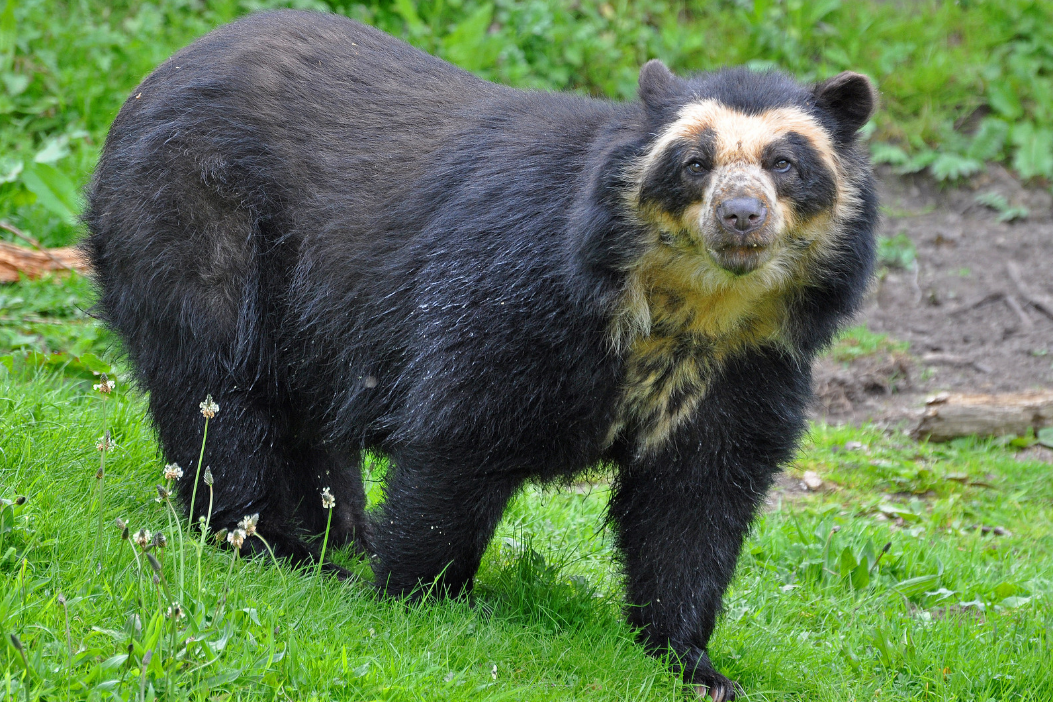
The closest relative turned out to be the spectacled bear, which lives in South America.
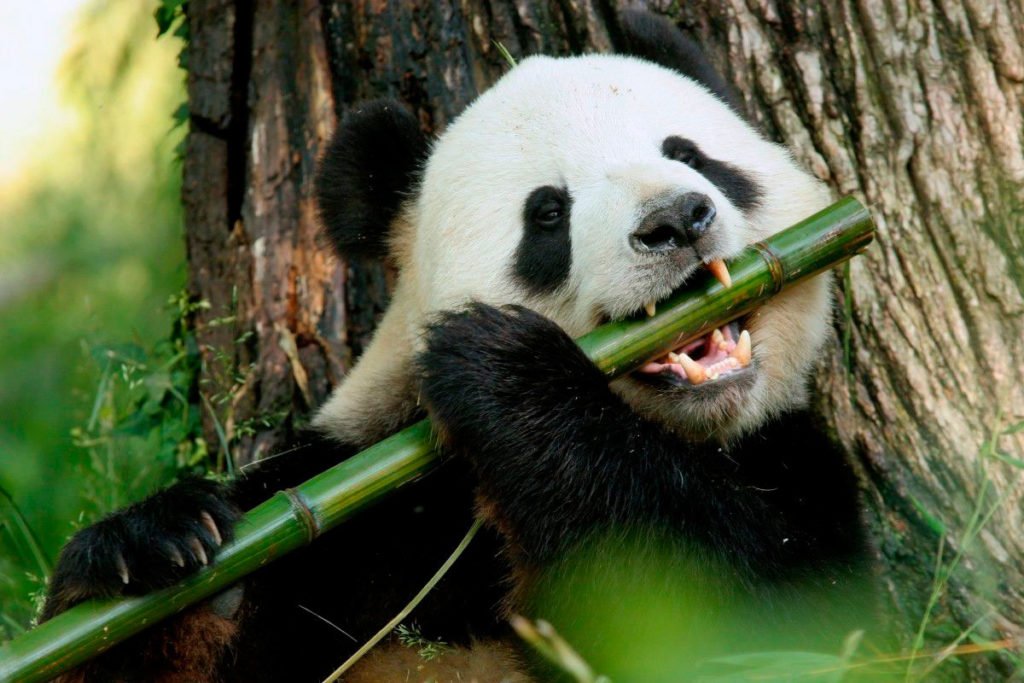
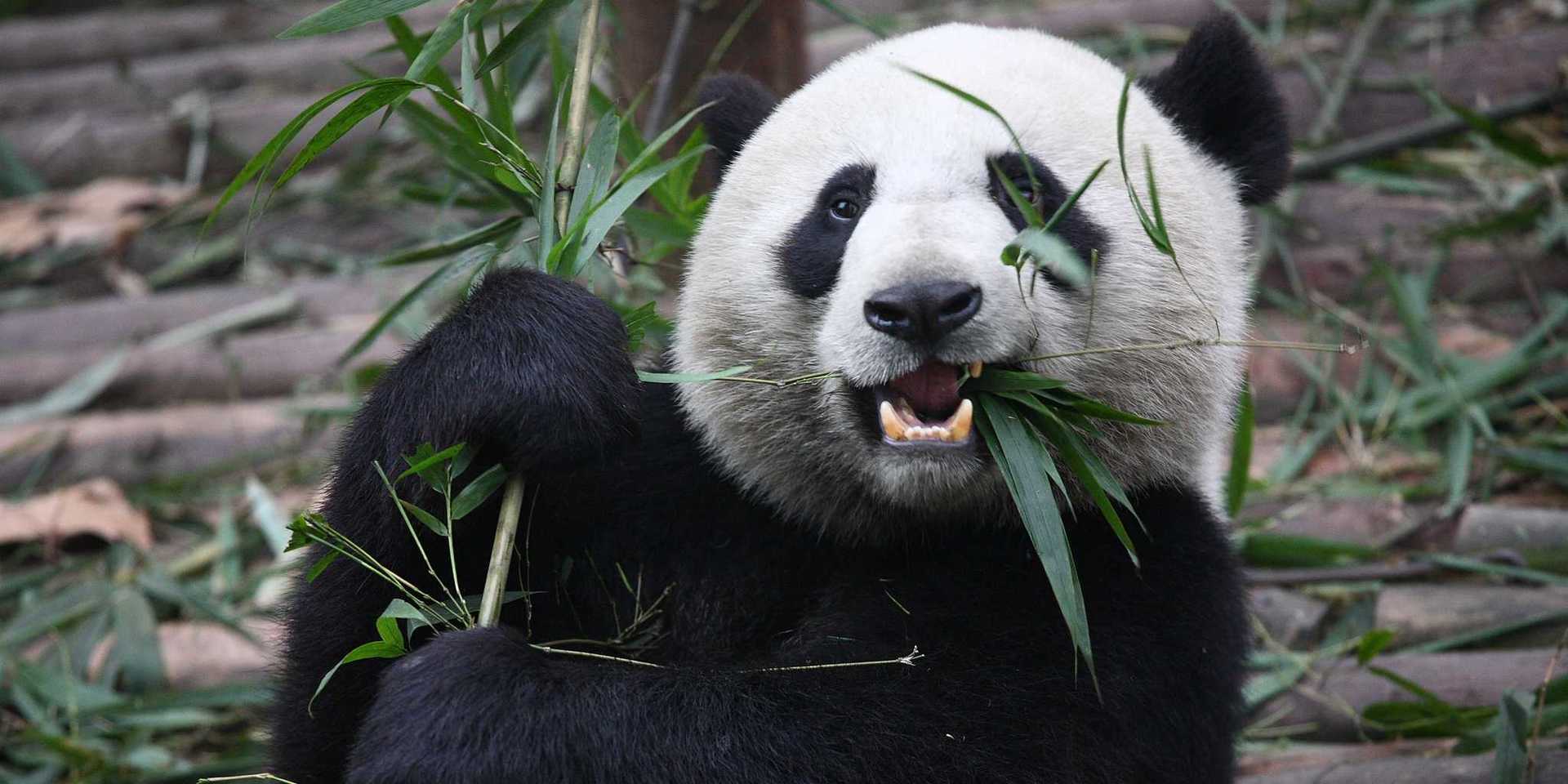
Black and white bears, it turns out, live on a very meager diet: they eat almost exclusively bamboo, which makes up 95% of their diet, and the remaining 5% consists of insects and bird eggs.
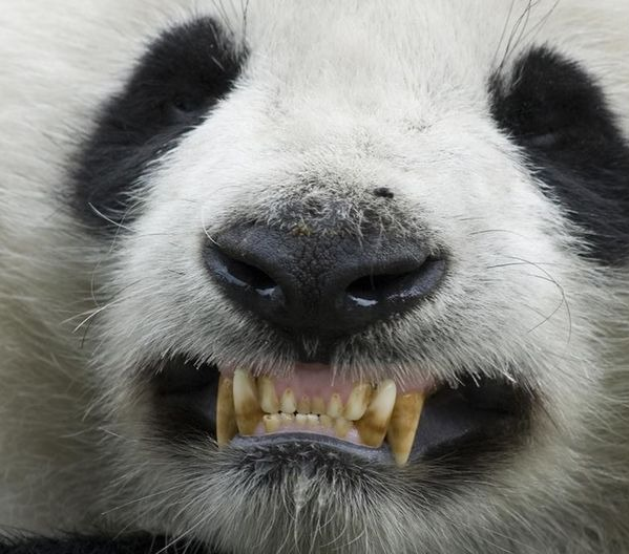
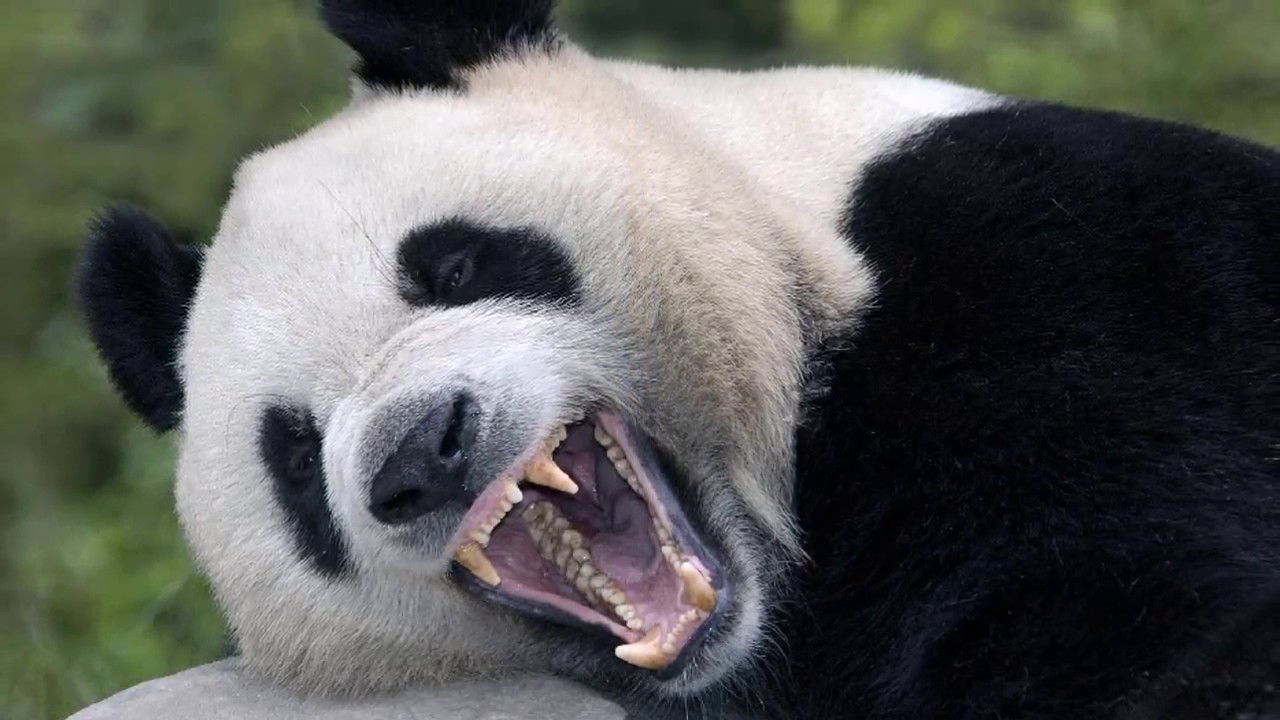
They belong to the order of carnivores, but it is almost impossible to guess this; only their sharp teeth give them away.
Pandas have to eat for 16 hours a day and they gnaw up to 12 kg of bamboo per day, of which only 2 kg is digested.
Scientists specifically studied their RNA. It turned out that pandas' gut microbiome and enzymes are better suited to digesting meat than plants.
This is explained by the fact that herbivores have the appropriate substances for digesting plant fibers and several sections of the stomach for the long-term processing of food.
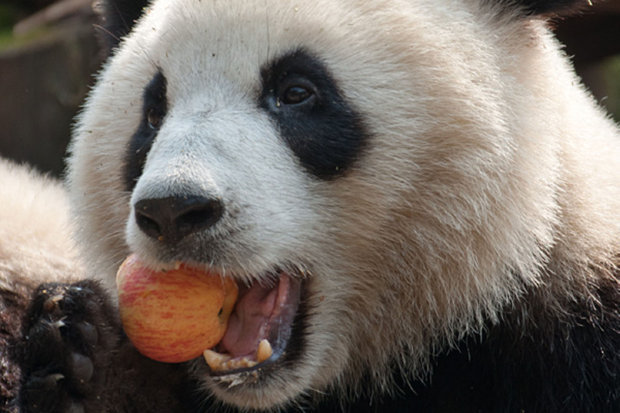
But pandas' digestive systems also contain a large number of microorganisms that break down cellulose and convert it into easily digestible sugars like glucose.
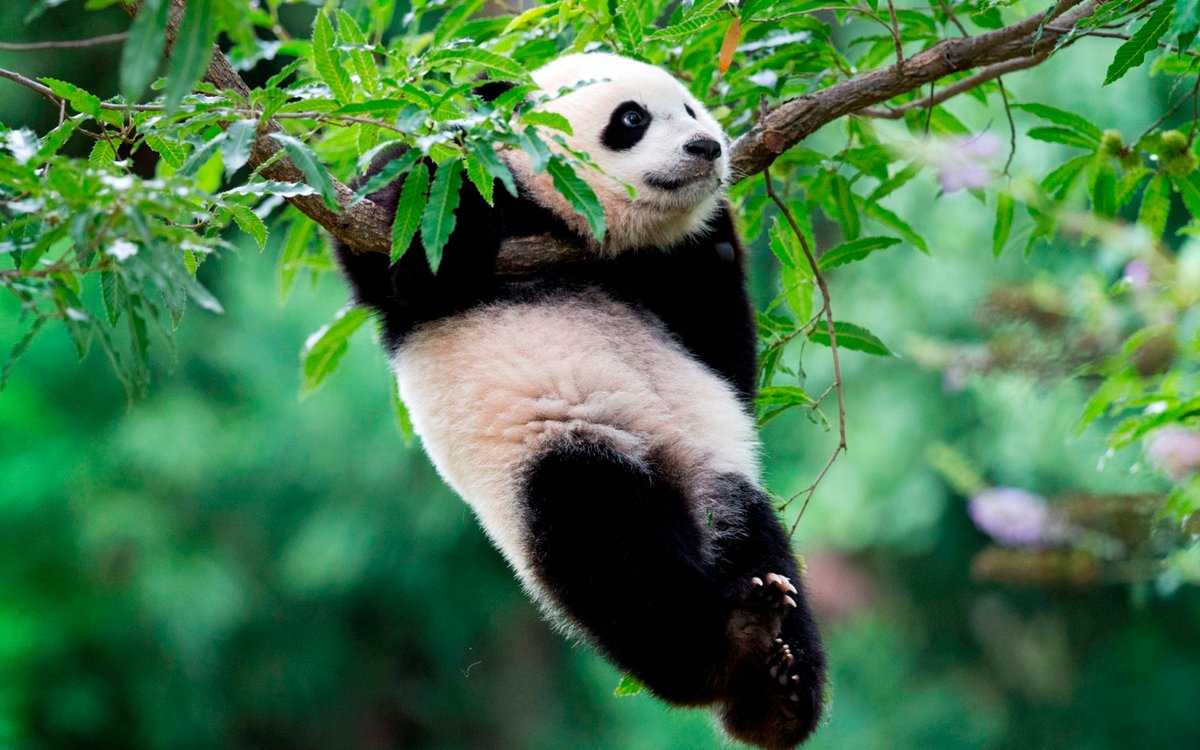
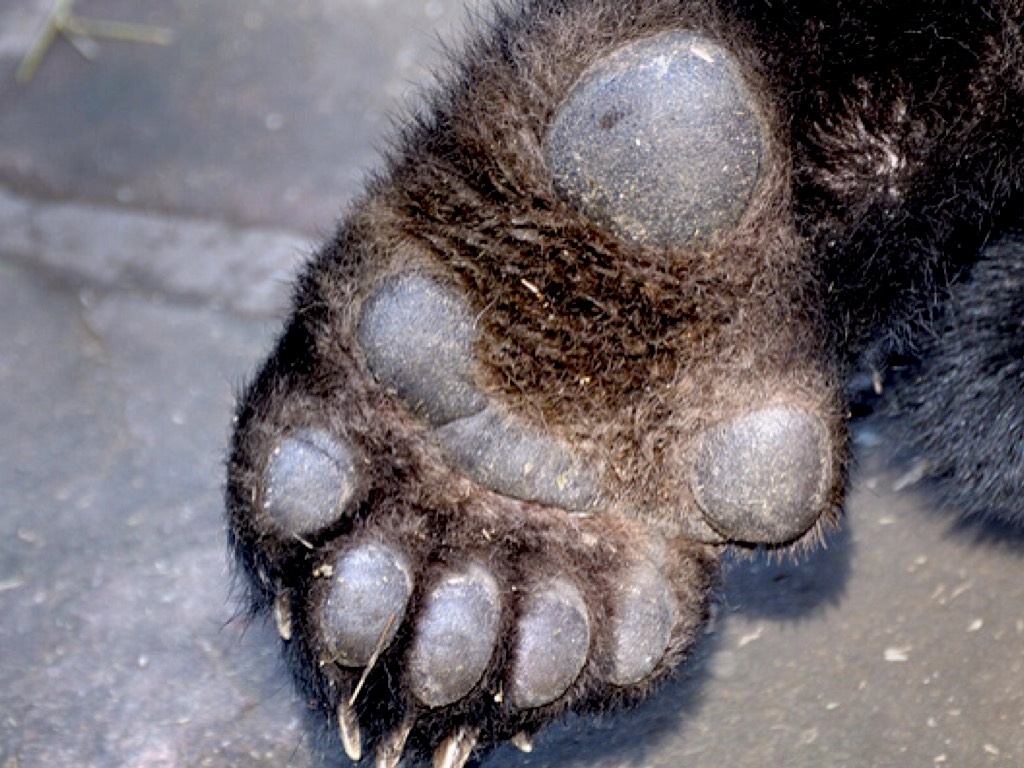
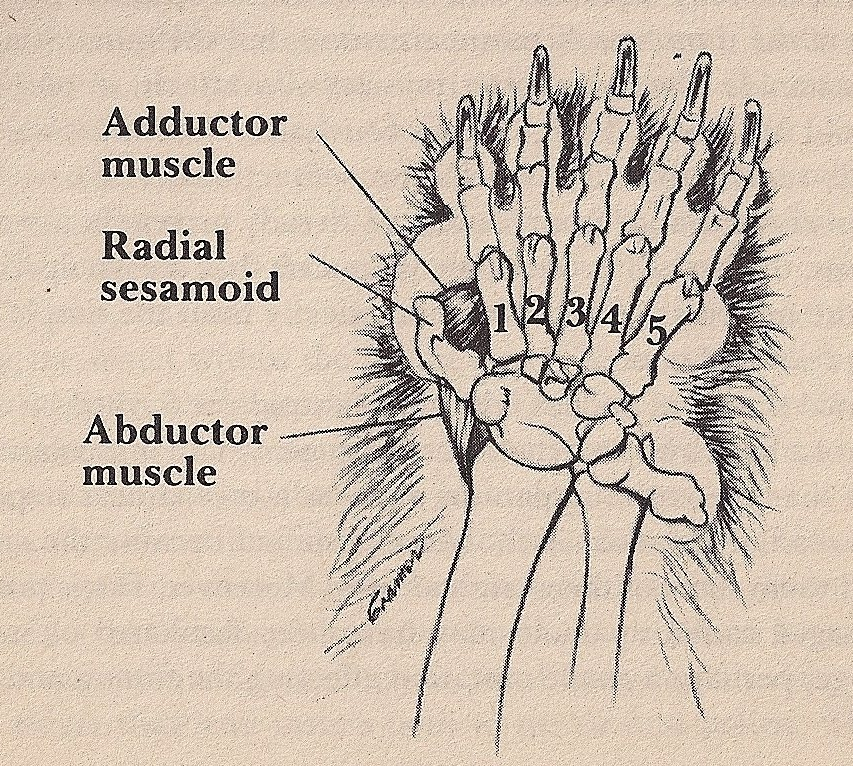
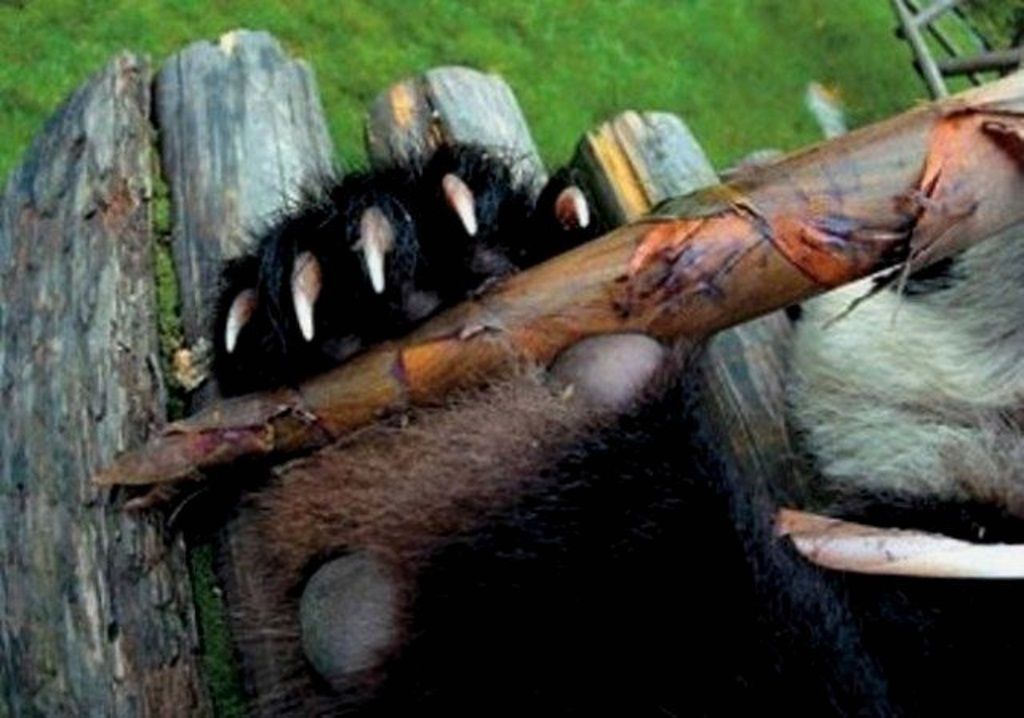
Another interesting feature is that in addition to the five normal toes on their paws, these animals have a sixth, unique growth on the carpal bone, which helps them hold bamboo stalks.
It remains a mystery what caused pandas to switch from a meat-based diet to a plant-based one.
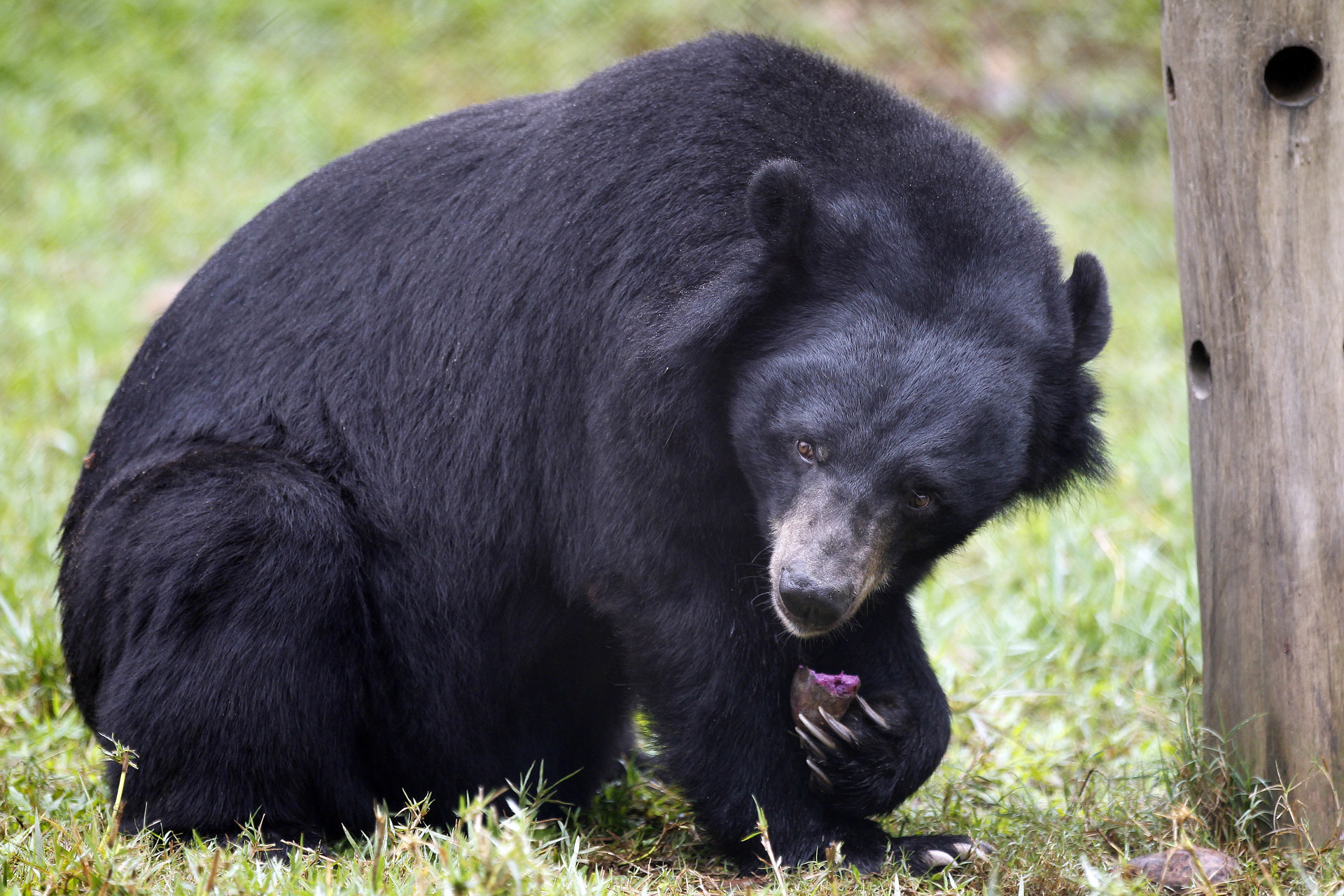
There are suggestions that they lost out in food competition to their relatives, the Asian black bears.
But in any case, the digestive system somehow remained as it was in ancient times. And the pandas themselves, having given up meat, found themselves facing an evolutionary dilemma.
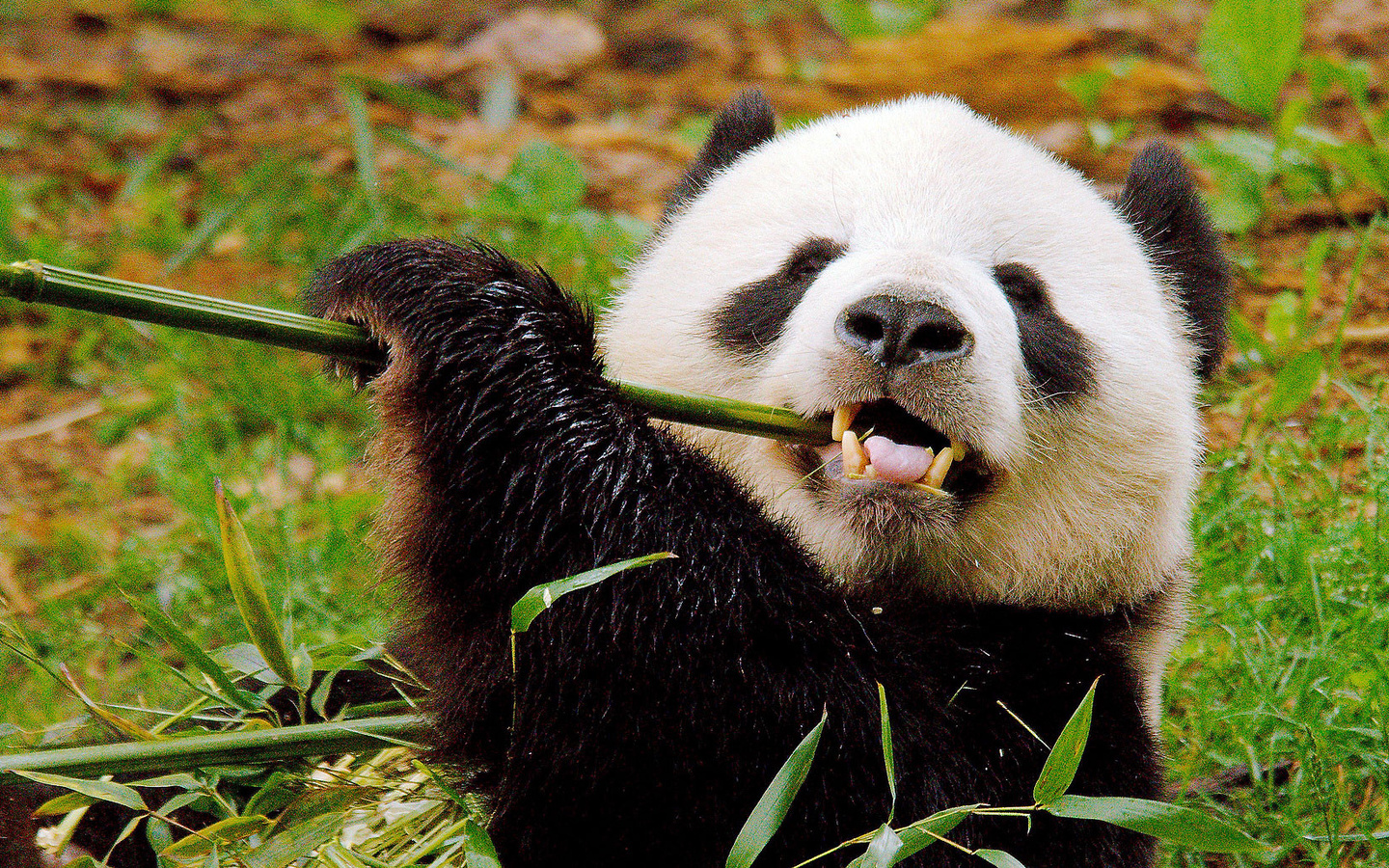
To conserve energy, they now have to sleep half the day and chew bamboo stalks the rest of the time.
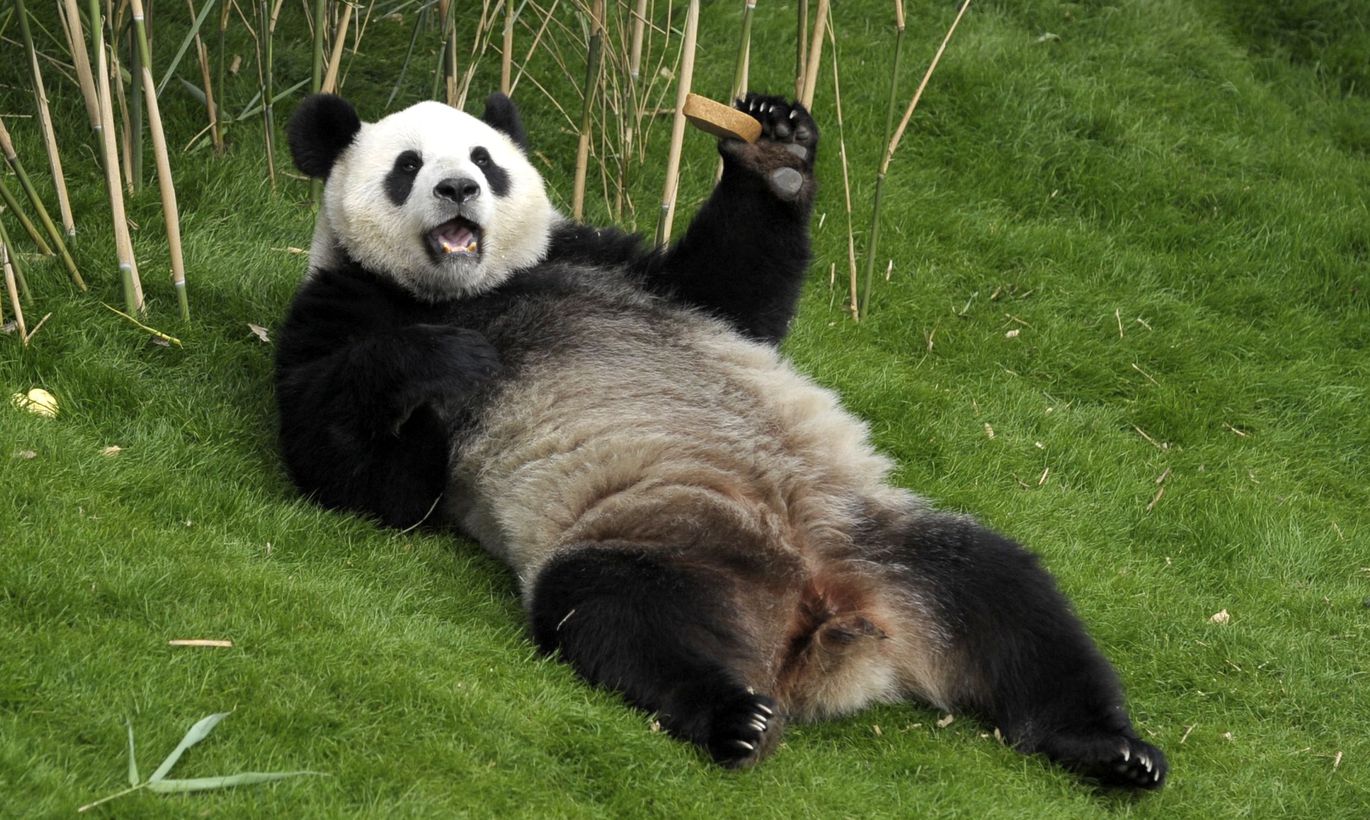
Perhaps for this same reason, the number of these animals is small, reproduction occurs once a year, and the opportunity to conceive is given for only 2-3 days.
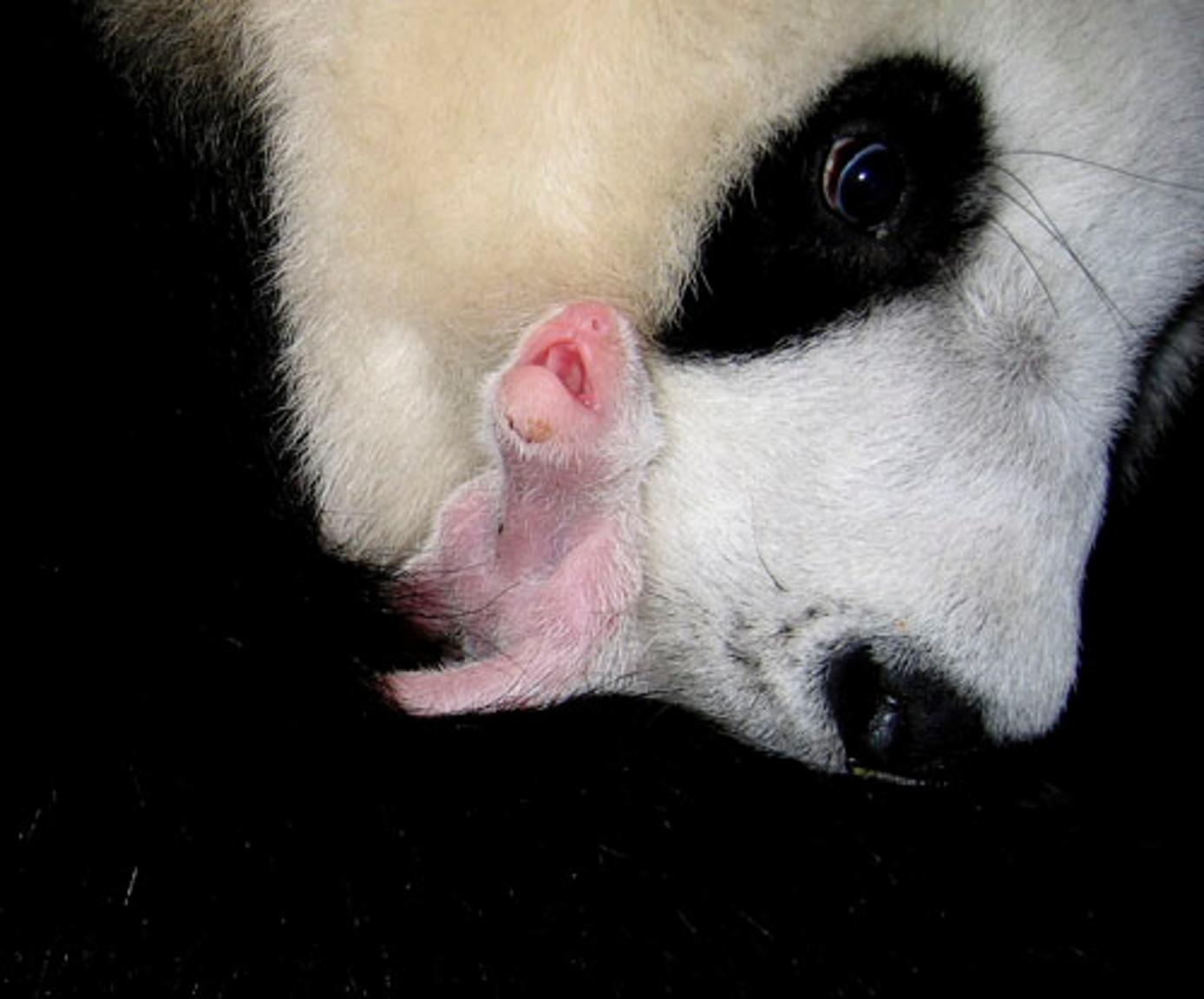
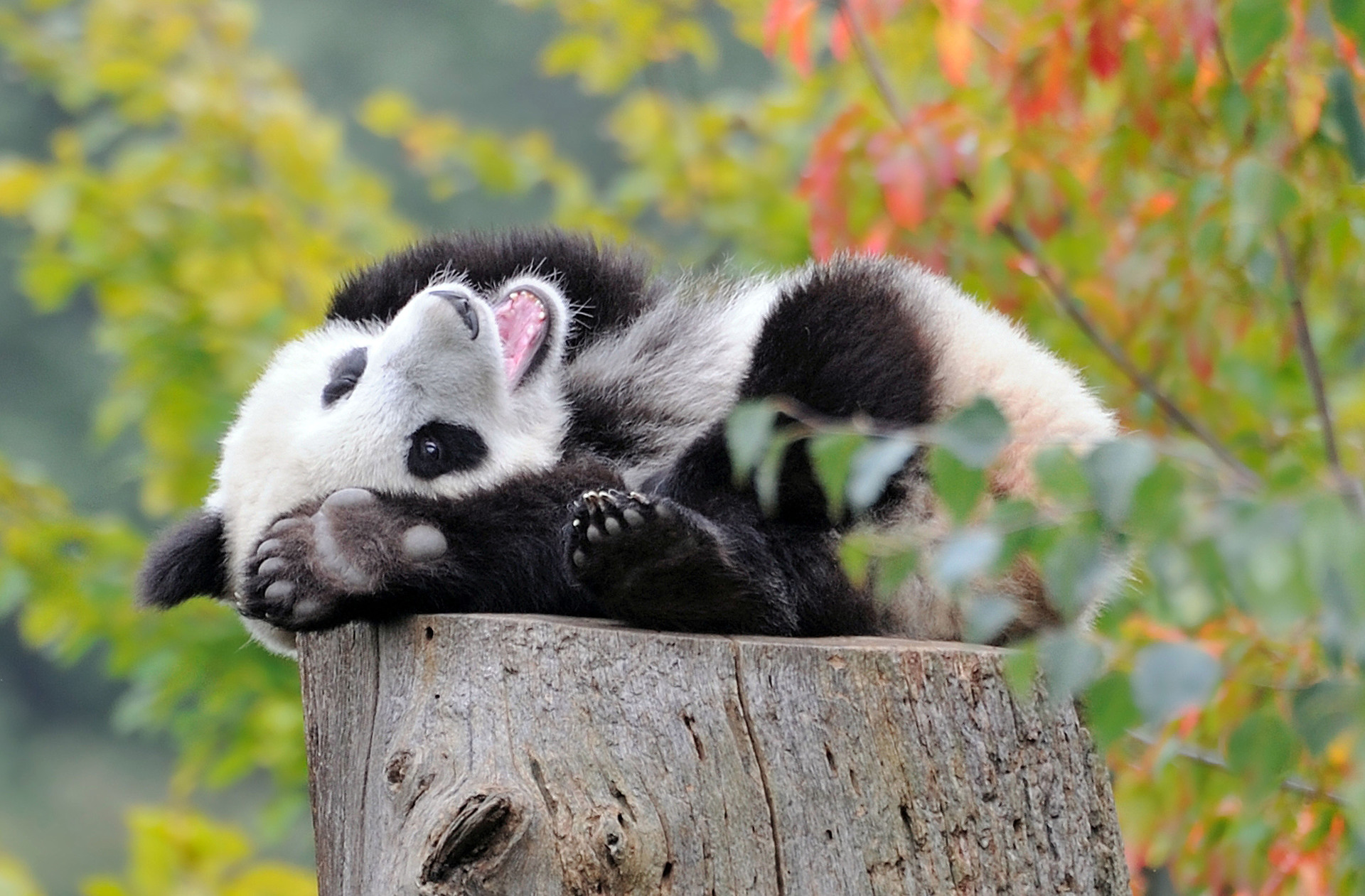
The weight of a newborn baby is 1/800 of the mother's weight.
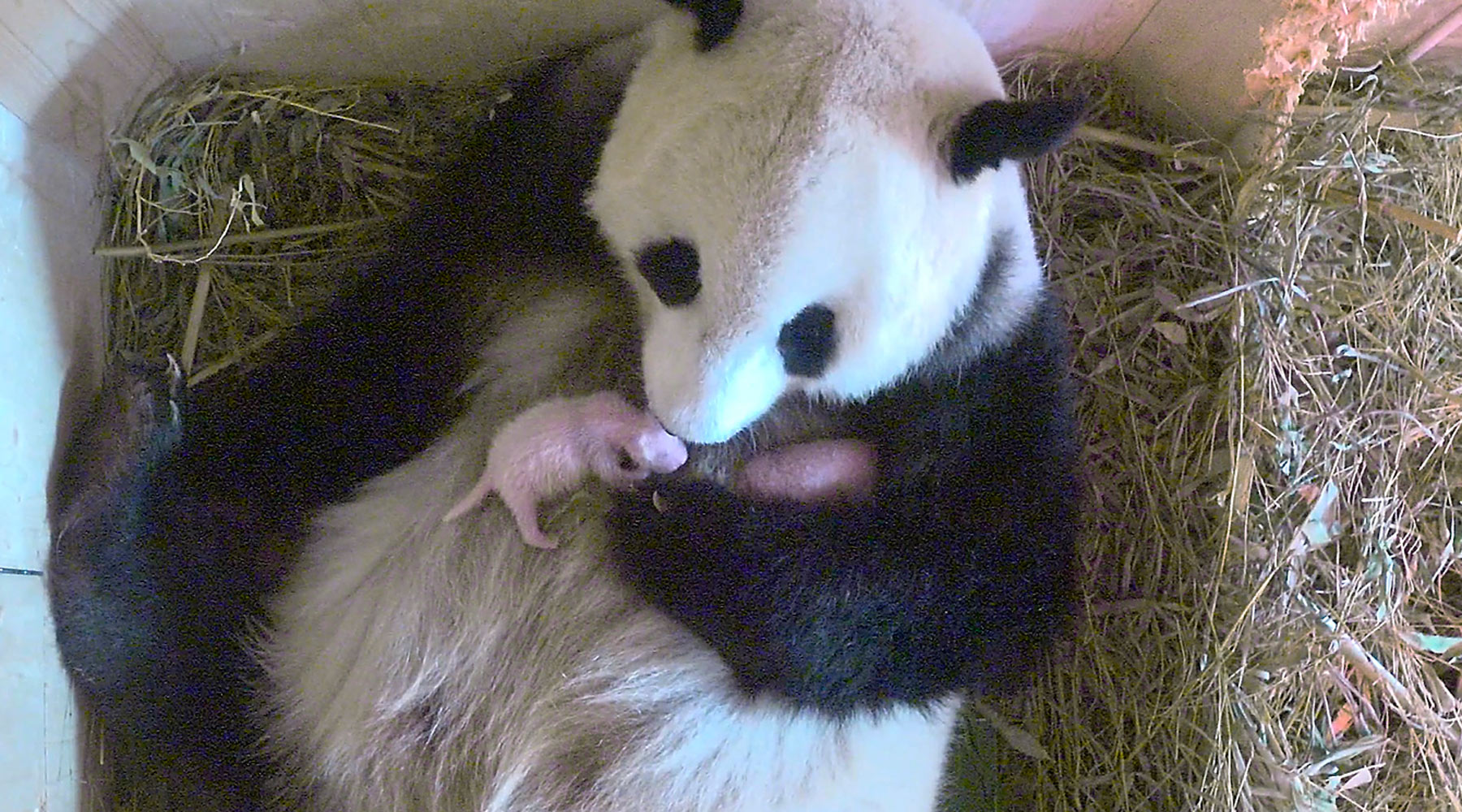
Moreover, pandas often give birth to two cubs, but the female takes care of only one, and the second dies.
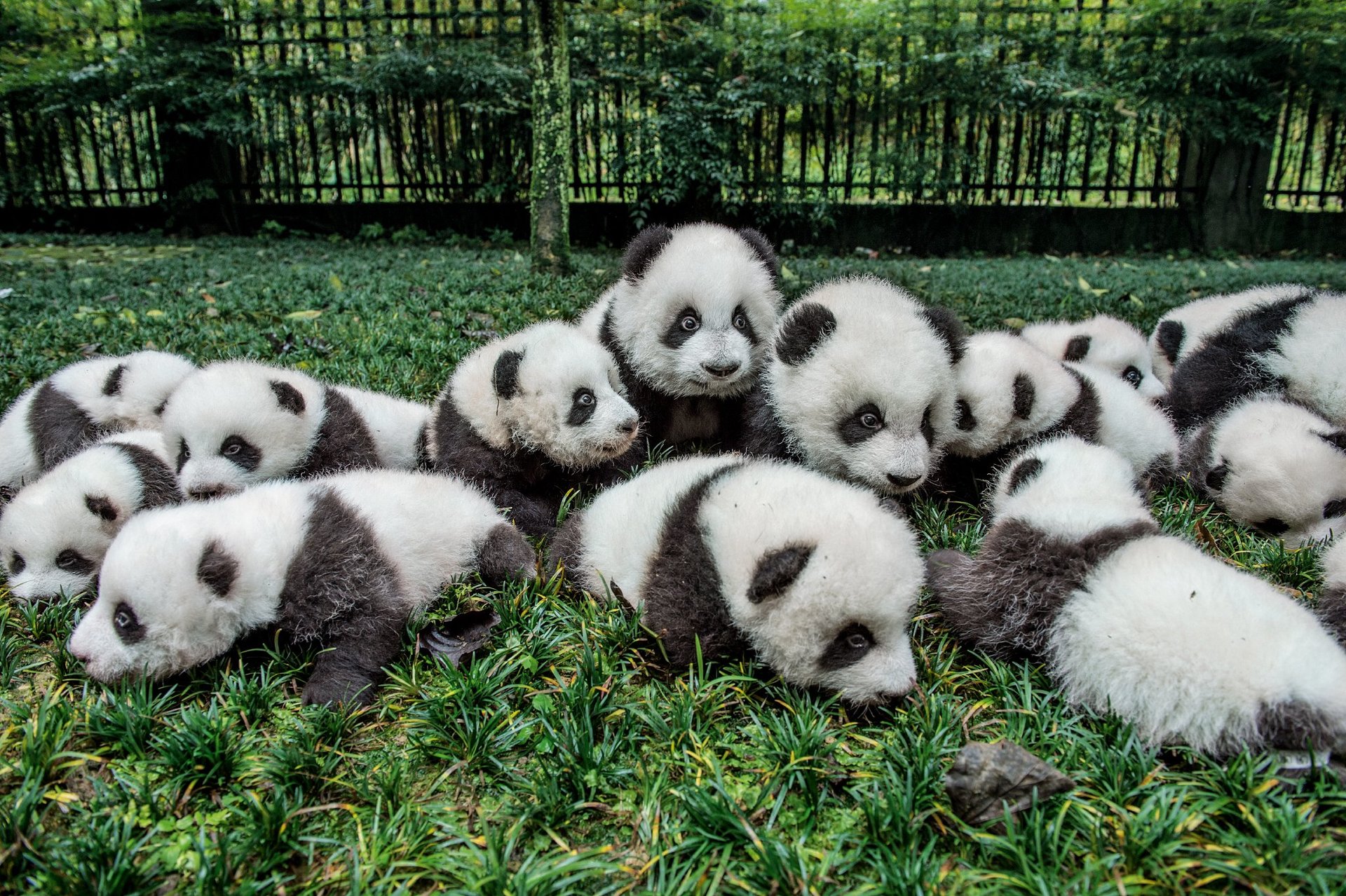
Pandas are listed in the Guinness Book of World Records as the most adorable animals. However, these bears are currently an endangered species, their population is steadily declining, and the birth rate remains low. Only about 1,600 individuals remain in the wild.